
 Pauline Adamek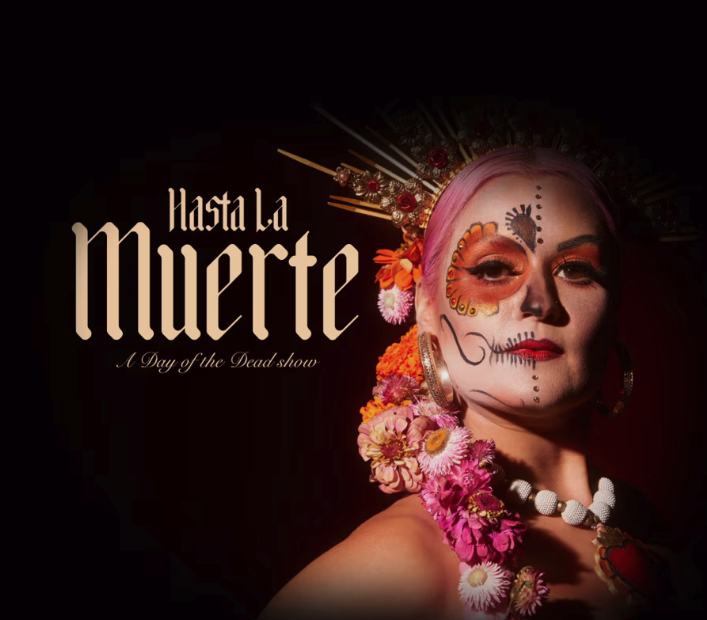
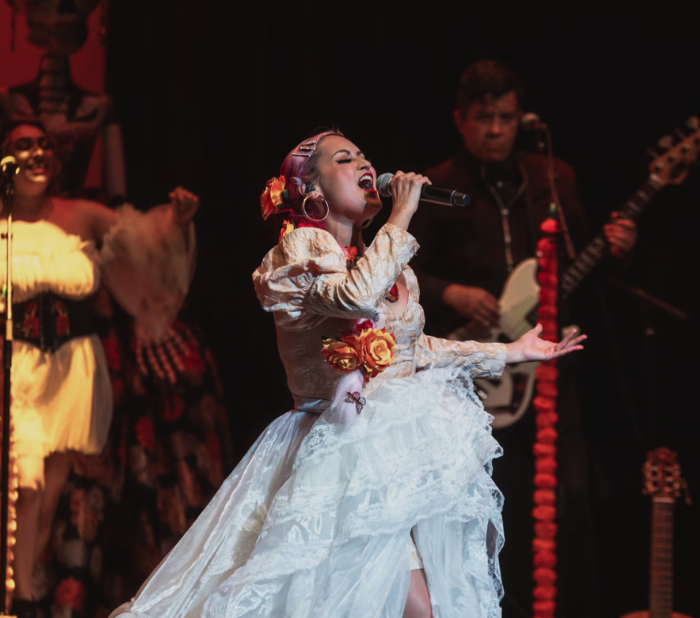
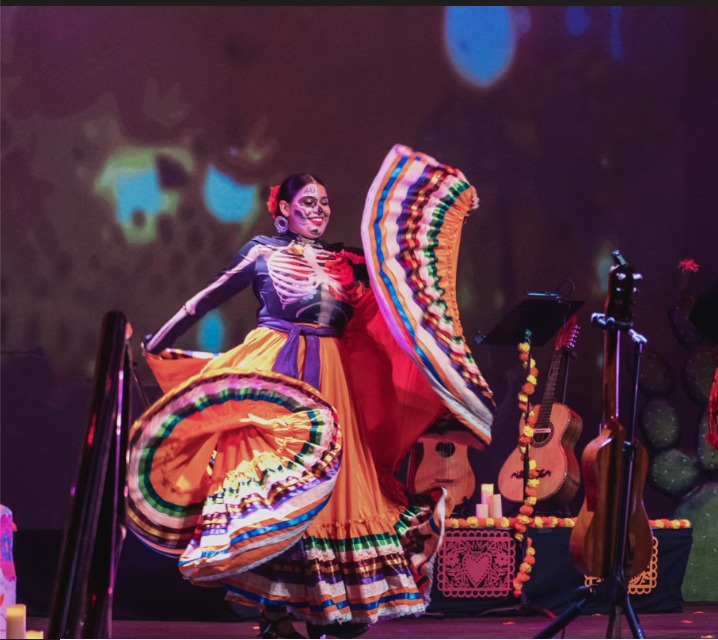
A two-act celebration of life and death through music, dance, poetry, and theater, Las Cafeteras will be performing at The Ford on
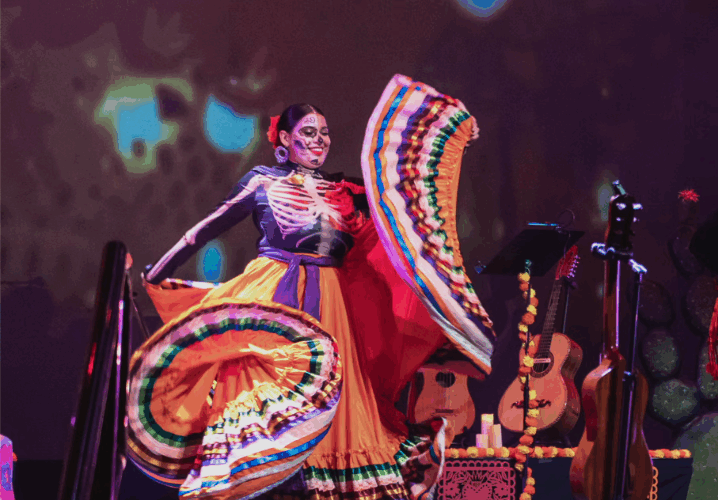
Death is not the end; it’s just the beginning. So goes the central thought of Hasta la Muerte, the new program from Las Cafeteras, whose “urgent, relevant music” (BBC) takes in influences from the worlds of punk, hip-hop, beat music, cumbia, and rock. Across two acts, the LA group follows the journey of La Catrina (patron saint of the dead), who encounters folkloric Mexican characters like La Llorona and La Bruja as well as modern-day migrants and families in despair. Through mesmerizing choreography and a mix of original and traditional songs, it’s a moving invitation to travel through time, rhythm, and memory—and a reminder that when we celebrate life, we celebrate love.
Las Cafeteras: Hasta La Muerte
The Ford
2580 Cahuenga Blvd. East, Los Angeles, CA 90068
About the artists:
In the heart of East Los Angeles, a city alive with cultural crossroads and radical history, a band emerged that would redefine the sound of protest music for a new generation. Las Cafeteras is more than just a band—they are a movement, a community, and a powerful voice for justice. Their music blends traditional Afro-Mexican rhythms with hip-hop, folk, rock, and spoken word, creating a vibrant fusion that bridges generations, languages, and worlds.
The story of Las Cafeteras begins in the mid-2000s at Eastside Café, a community space in El Sereno dedicated to grassroots organizing and cultural empowerment. The founding members first came together not to start a band, but to learn son jarocho, a centuries-old musical tradition from Veracruz, Mexico. This cultural practice quickly evolved into something greater: a band rooted in heritage, using music as a tool for storytelling, resistance, and transformation. Their name, Las Cafeteras, honors their origins at the Eastside Café while challenging gender norms by reclaiming the feminine form.
At the core of their sound is the jarana, an eight-string instrument central to son jarocho, accompanied by the requinto, cajón, and zapateado—a form of percussive footwork performed on a wooden platform. These traditional instruments and rhythms are combined with contemporary genres like hip-hop and spoken word, resulting in music that is both deeply rooted and boldly modern. Las Cafeteras perform in English, Spanish, and Spanglish, reflecting the bicultural and bilingual experience of East L.A. and the broader Latinx community.
The band’s lyrics are unapologetically political and deeply personal. Their songs speak to the immigrant experience, racial and gender justice, environmental activism, police brutality, and Indigenous rights. “La Bamba Rebelde” is one of their most well-known tracks, a rebellious reinterpretation of the folk classic that reclaims identity with pride and power. “If I Was President” imagines a world shaped by compassion and justice, while “Mujer Soy” is a stirring feminist anthem that honors the strength and complexity of womanhood. Las Cafeteras do not shy away from the struggles of the world; instead, they transform those struggles into music that uplifts, informs, and inspires.
Over the years, the band’s lineup has evolved, but the core members have included Hector Flores, Denise Carlos, Leah Gallegos, Daniel French, Jose Cano, and David Flores. Each brings their own story and influences, shaped by life in East L.A. and their personal journeys of activism, art, and culture. Together, they create music that is as diverse and layered as the community they represent.
Las Cafeteras’ discography reflects their growth as artists and their deepening commitment to justice. Their first live recording, “Live at Mucho Wednesdays,” released in 2009, captures the raw energy of their early performances. In 2012, they released their first full-length studio album, “It’s Time,” which featured standout tracks like “La Bamba Rebelde” and “El Chuchumbé.” Their 2017 follow-up, “Tastes Like L.A.,” marked a more refined and expansive sound, exploring themes of identity, resistance, and joy.
Beyond the music, Las Cafeteras are educators, organizers, and cultural ambassadors. They have performed not just on major stages, but in classrooms, community centers, prisons, and protests. Their live shows are not just concerts—they are immersive experiences that combine storytelling, humor, dance, and collective healing. The band has shared stages with artists like Ozomatli, Lila Downs, Café Tacvba, and Edward Sharpe & the Magnetic Zeros, but they have never lost touch with their East L.A. roots or their mission to use music as a catalyst for change.