


 Pauline Adamek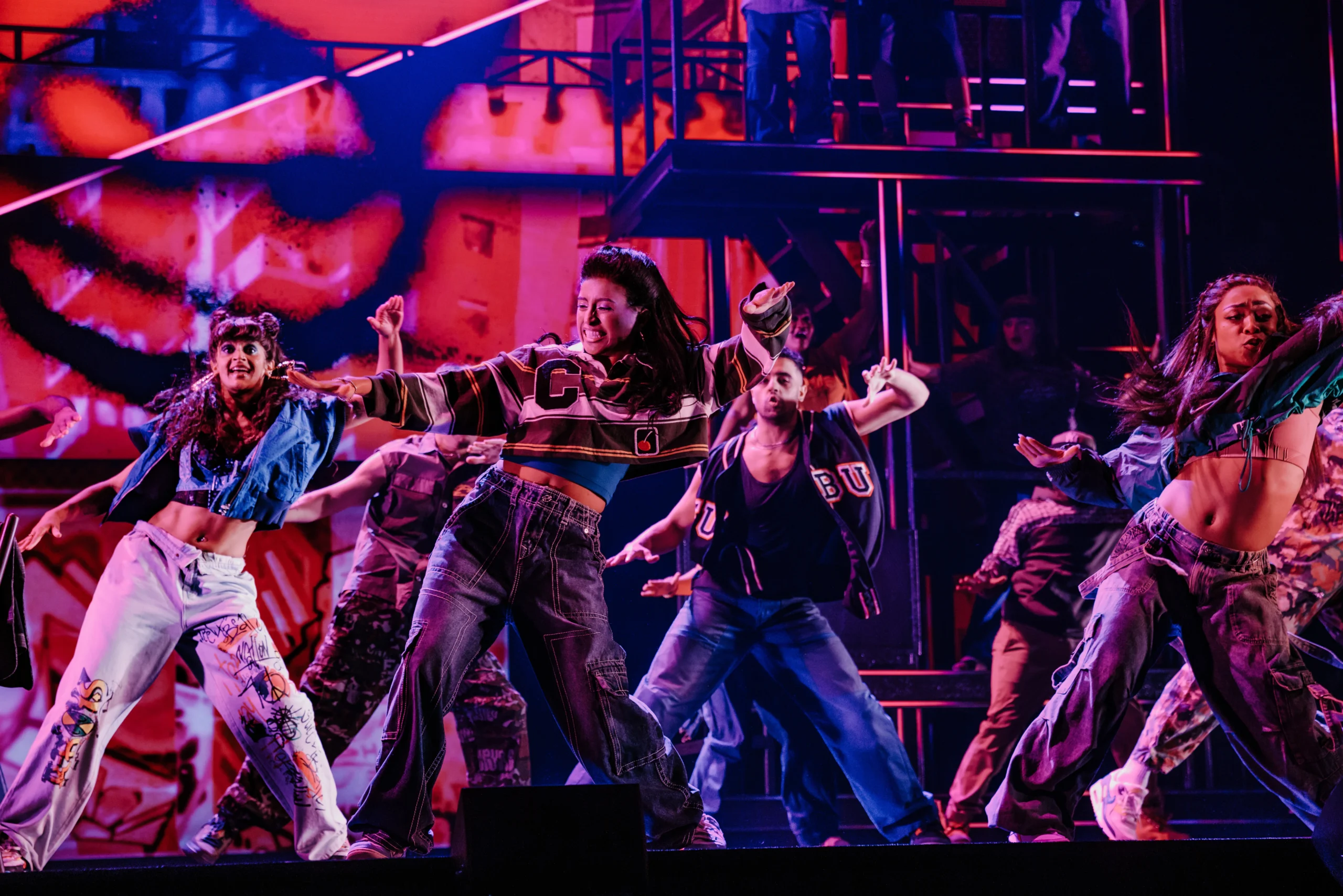
The multi–Tony Award-nominated (with two wins) musical Hell’s Kitchen has arrived at the Hollywood Pantages Theatre with all the energy, heart, and musical fire one would expect from a production shaped by acclaimed singer-songwriter Alicia Keys. Part coming-of-age story, part jukebox musical, and part autobiographical reflection, the live show features music & lyrics by the 17-time Grammy® winner, transforming her hit tunes into a warm and emotionally resonant theatrical experience set amid the pulse of mid-1980s New York City.
The musical runs at the glamorous Pantages Theatre in Hollywood from May 26 – June 21, 2026 and continues playing to sold-out, rapturous audiences on Broadway at the Shubert Theatre in New York City. Purchase tickets to the tour here.
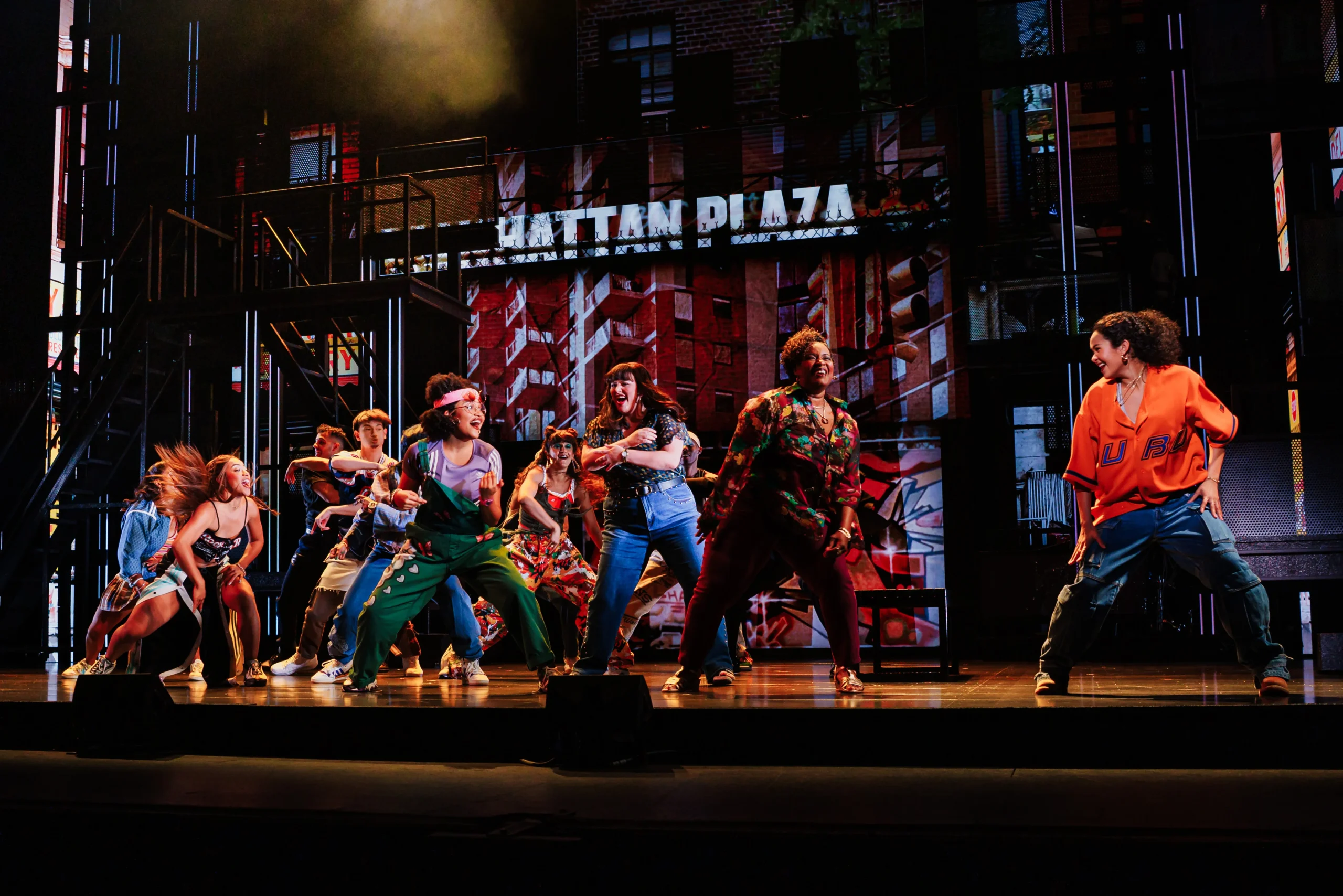
At the center of the story is Ali, a ferociously independent 17-year-old struggling against the boundaries imposed by her protective mother, Jersey. With her father absent from her life, tensions flare at home as Mom fears she is losing her grip on her increasingly wayward daughter. Ali lashes out with typical teenage frustration while searching for identity, freedom, and purpose. The musical bursts to life with an energetic opening number that vividly captures the pulse and chaotic rhythms of Manhattan life in the ’80s. Yet despite the undeniable vitality of the production, the first act occasionally struggles to establish a strong emotional foothold. Ensemble numbers, while lively, suffer from muddy vocals that make the lyrics difficult to distinguish, muting the impact of these early scenes. Another weakness is that the production initially relies heavily on broad character sketches: the angry teen, the exhausted mother, the vivacious neighborhood friends.
Yet even when the storytelling feels somewhat two-dimensional, the sheer vitality of Keys’ music keeps the production buoyant. Familiar songs such as “You Don’t Know My Name,” “Teenage Love Affair,” and the electrifying “Girl on Fire” generate instant audience recognition while helping to chart Ali’s emotional evolution.
It’s in its quieter, more intimate moments where Hell’s Kitchen truly finds its voice. The poignancy of the production emerges through beautifully staged duets and reflective ballads that permit the characters to express genuine vulnerability. Songs such as “Not Even the King,” “Fallin’,” and “If I Ain’t Got You” become far more than nostalgic callbacks to Alicia Keys’ greatest hits; within the context of the musical, they deepen the show’s themes of longing, fractured family relationships, and artistic self-discovery.
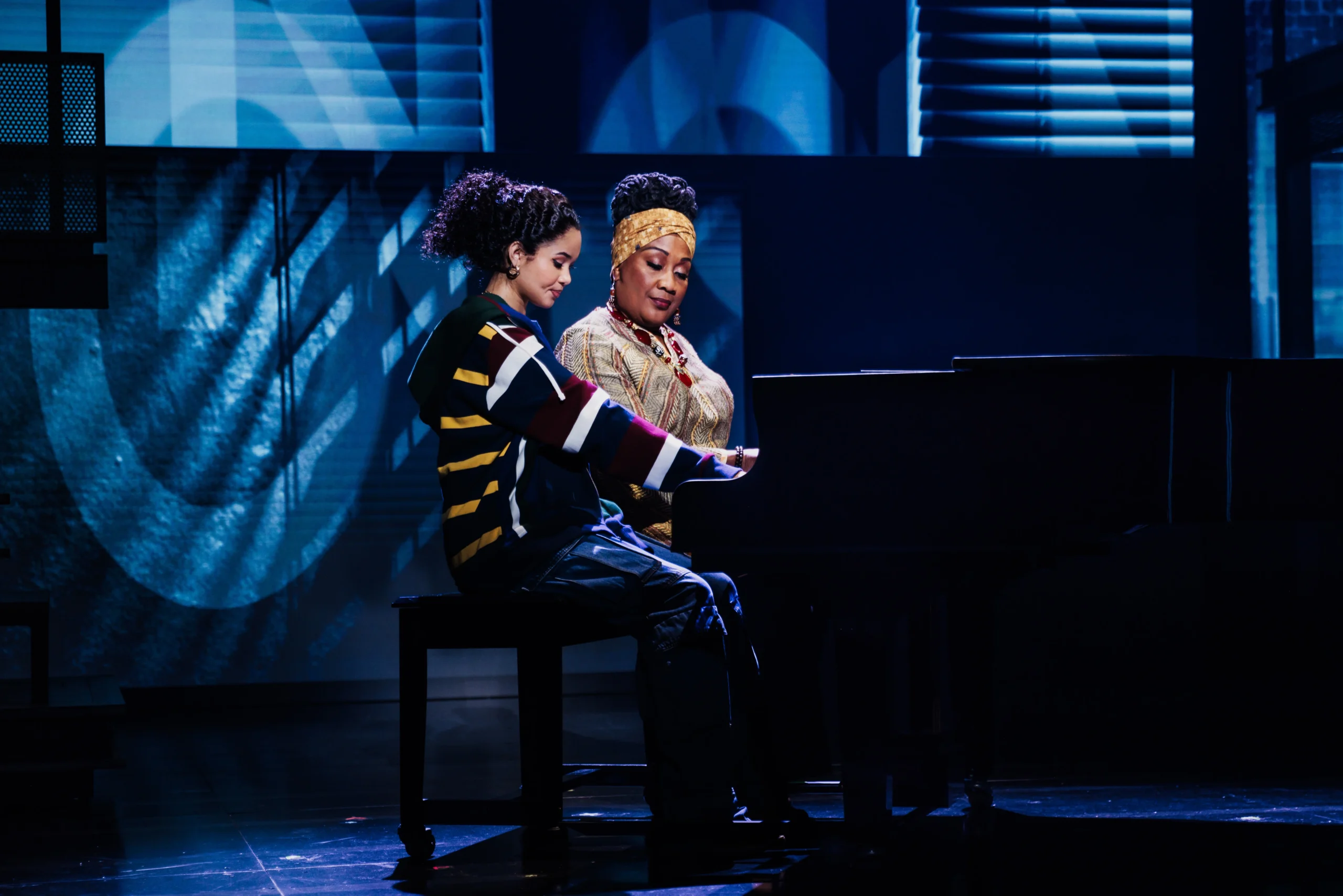
The production gains dramatic momentum once Ali encounters Miss Liza Jane, an older neighbor who becomes both a mentor and the young girl’s musical guide. Through piano lessons, hard-earned wisdom, and a different brand of tough love, the kindly tutor introduces Ali to discipline, artistry, and avenues of expression. These scenes grant the show its strongest sense of purpose, emphasizing how music can serve not only as escape, but also as transformation.
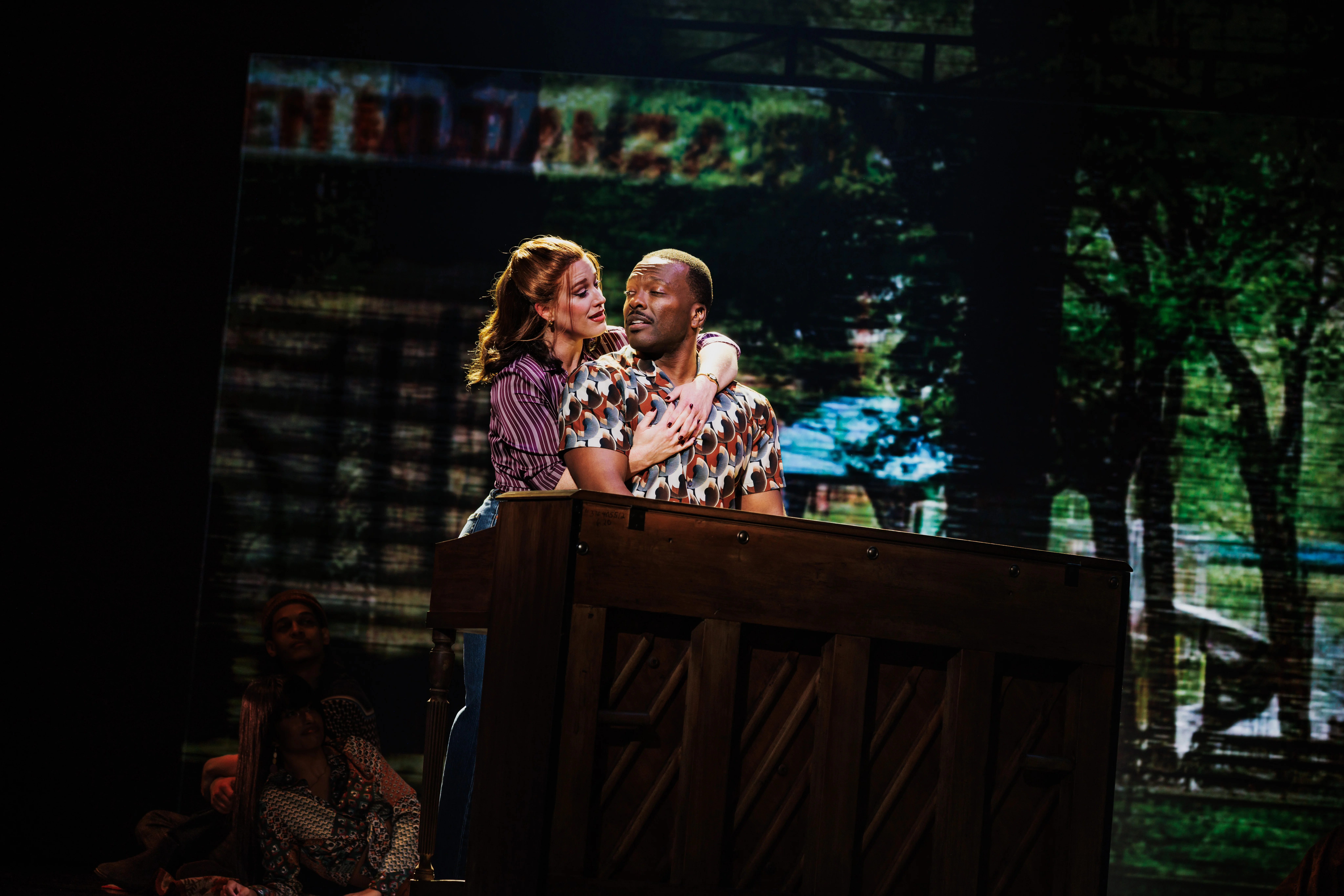
Eventually, Ali’s estranged father Davis reenters the picture – unsurprisingly, as a musician and pianist himself – helping to heal the fractured family relationships and guide our intrepid heroine toward a more hopeful future. Some narrative conflicts resolve a little bit too conveniently, but the emotional sincerity of the performances keeps the audience invested throughout the almost three-hour show.
Musically, the production delivers precisely what fans of Alicia Keys might hope for: soaring power ballads, emotionally charged anthems, and a catalog of recognizable hit songs woven seamlessly into the narrative. The cast is filled with powerhouse vocalists whose performances elevate even the production’s weaker dramatic moments, bringing passion and authenticity to the material. Meanwhile, newly written songs such as “Seventeen,” “Kaleidoscope,” and “The River” blend seamlessly alongside iconic hits like “No One,” “Empire State of Mind,” and “Girl on Fire,” creating a score that feels cohesive rather than merely a playlist of familiar songs.
This touring production of Hell’s Kitchen is anchored by a cast whose vocal power and emotional commitment elevate the material well beyond the conventions of your typical ‘jukebox musical.’ While Alicia Keys’ catalog provides the show’s heartbeat, it is ultimately the performers who give the production its warmth, urgency, and dramatic credibility.
Leading the company is Maya Drake as Ali, the fiery teenage heroine loosely based on Alicia Keys herself. Making her national tour debut, Drake delivers a breakout performance filled with limitless energy, vulnerability, plus a magnetic stage presence. She captures the contradictions of adolescence beautifully: rebellious yet insecure, fiercely independent yet desperate for connection. Vocally, she navigates the demanding score with confidence, particularly in emotionally charged numbers like “Fallin’” and “Girl on Fire,” where her voice carries both raw power and emotional nuance.
Opposite her, Kennedy Caughell brings impressive depth to the role of Jersey, Ali’s overworked and increasingly frustrated mother. A Broadway veteran with previous national tours of Wicked and Beautiful: The Carole King Musical behind her, Caughell delivers a fine performance. Rather than reducing Jersey to the archetype of the angry parent, she reveals the fear and heartbreak beneath the character’s toughness. Her rendition of “Not Even the King” becomes one of the evening’s emotional high points, combining vocal precision with genuine dramatic weight.
Roz White is especially compelling as Miss Liza Jane, the wise neighborhood piano teacher who recognizes Ali’s artistic gifts before anyone else does. White gives the production much of its emotional grounding, bringing warmth, humor, and quiet authority to the role. Her scenes with Drake are the musical’s finest mainly because they slow the show down enough to let authentic relationships emerge. Rather than simply functioning as a mentor stereotype, Miss Liza Jane becomes the soul of the story and the person who teaches Ali not only technique, but discipline, self-worth, and artistic honesty.
JonAvery Worrell adds charisma and swagger as Knuck, Ali’s romantic interest. Worrell handles the show’s flirtier, more playful moments with ease, particularly during “Teenage Love Affair” and “Un-Thinkable (I’m Ready).” Yet he also gives Knuck an appealing sincerity that prevents the character from becoming merely the predictable “bad boy” love interest.
As Ali’s estranged father Davis, Desmond Sean Ellington brings understated gravitas to the later sections of the musical. His performance of “If I Ain’t Got You” lands with particular emotional resonance, helping ground the family reconciliation scenes that might otherwise feel rushed or overly sentimental. “Fallin’” is re-imagined as a more upbeat and playful jazzy version within a kitchen setting.
The ensemble deserves substantial praise as well. The choreography is relentlessly energetic, capturing the pulse of New York street life with athletic precision and fluid movement.
What ultimately distinguishes this touring company is the sincerity of their performances. Rather than simply recreating Alicia Keys hits for the fans, the cast consistently treats the songs as dramatic storytelling tools. Familiar tracks such as “No One,” “Empire State of Mind,” and “You Don’t Know My Name” feel newly contextualized within the narrative, gaining emotional texture through performance rather than nostalgia alone.
By the finale, Hell’s Kitchen succeeds less as a tightly constructed drama and more as an emotionally generous celebration of resilience, ambition, family, and the redemptive power of music. It may take time for the show to fully settle into its rhythm, but once it does, this touring production reveals a genuine warmth that lingers long after the curtain falls.



 Terry Morgan