
 Pauline Adamek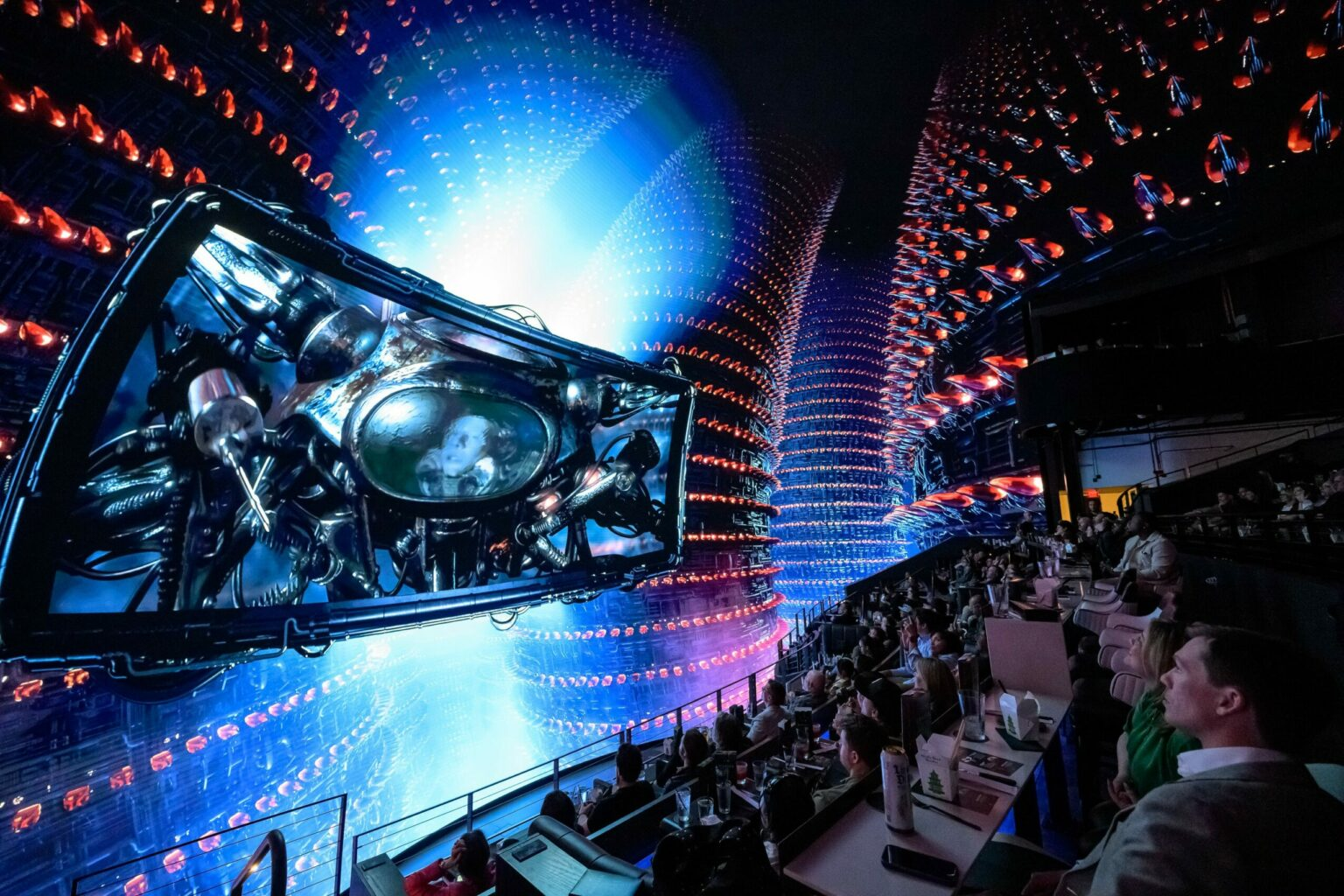
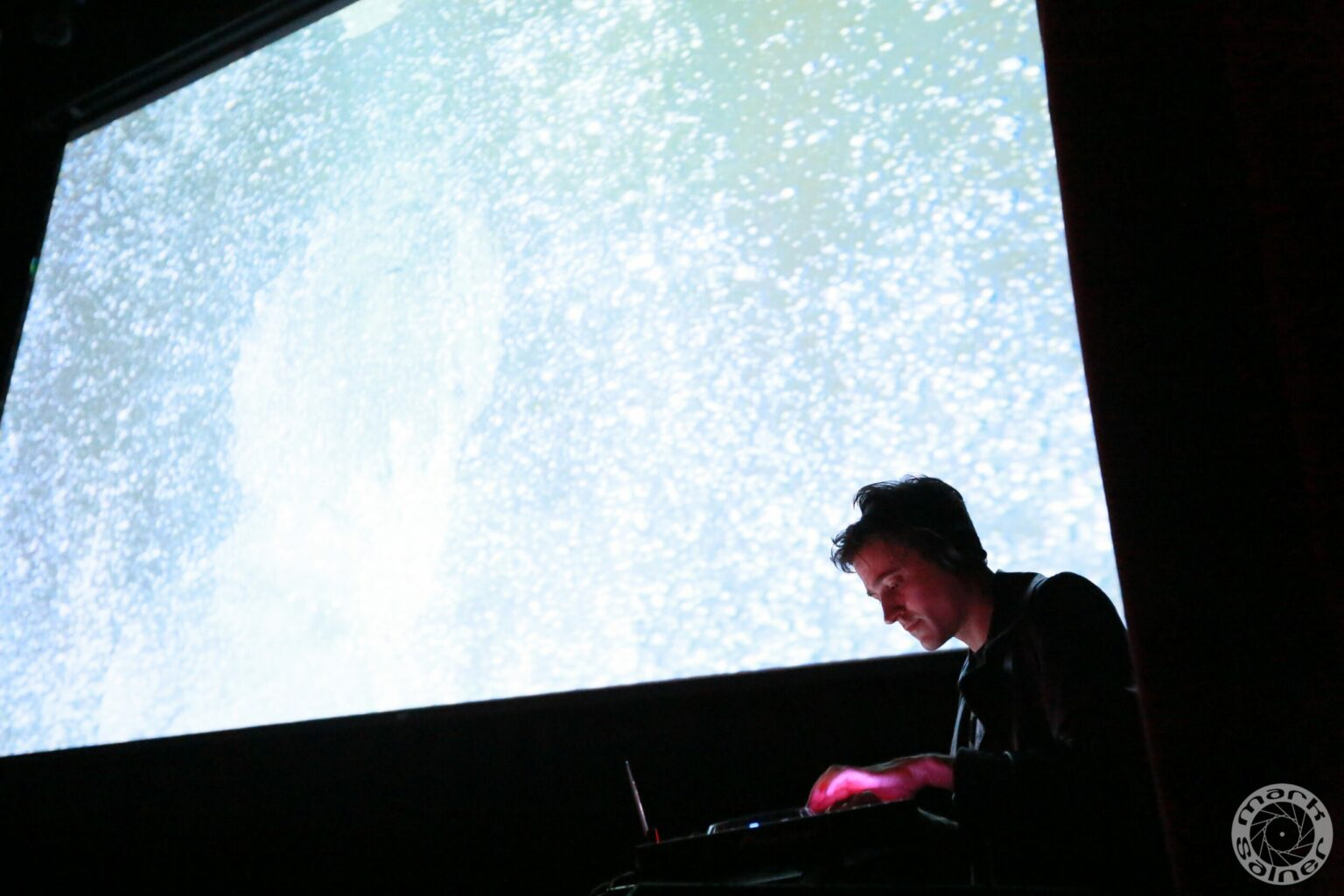
Filmmaker, designer, and media creator – Jay Rinsky is an artist whose work sits at the thrilling intersection of cinema, live performance, technology, and audience participation. Rinsky is the founder and chief creative officer of Little Cinema and Little Cinema Digital, the immersive entertainment studio he launched in 2016. He began experimenting with video in Melbourne, where he was part of an underground nightclub scene that treated movies like musical instruments—cutting, scratching, remixing, and ‘performing’ films live-in-house. That novel concept eventually evolved into Little Cinema and the shared-reality movie experiences he went on to develop once he returned to the States.
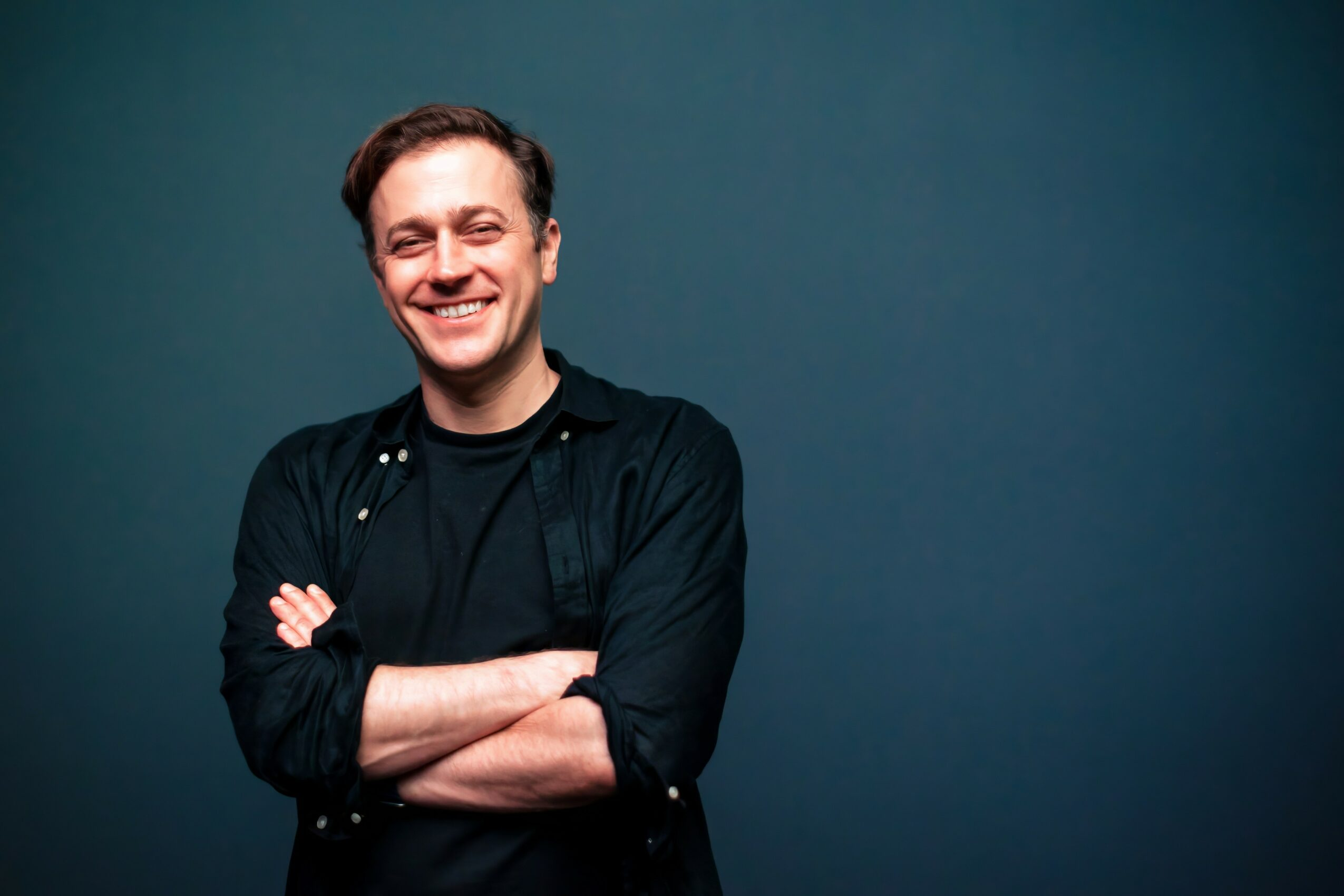
First exploration was at Brooklyn’s House of Yes – a performing-arts and nightlife venue known for its boundary-pushing mix of theater, circus, dance, music, drag, nightlife, and performance. Founded in 2015, the popular venue became particularly known for its anything-goes, highly participatory approach where audiences aren’t simply watching a show, they’re often part of the experience.
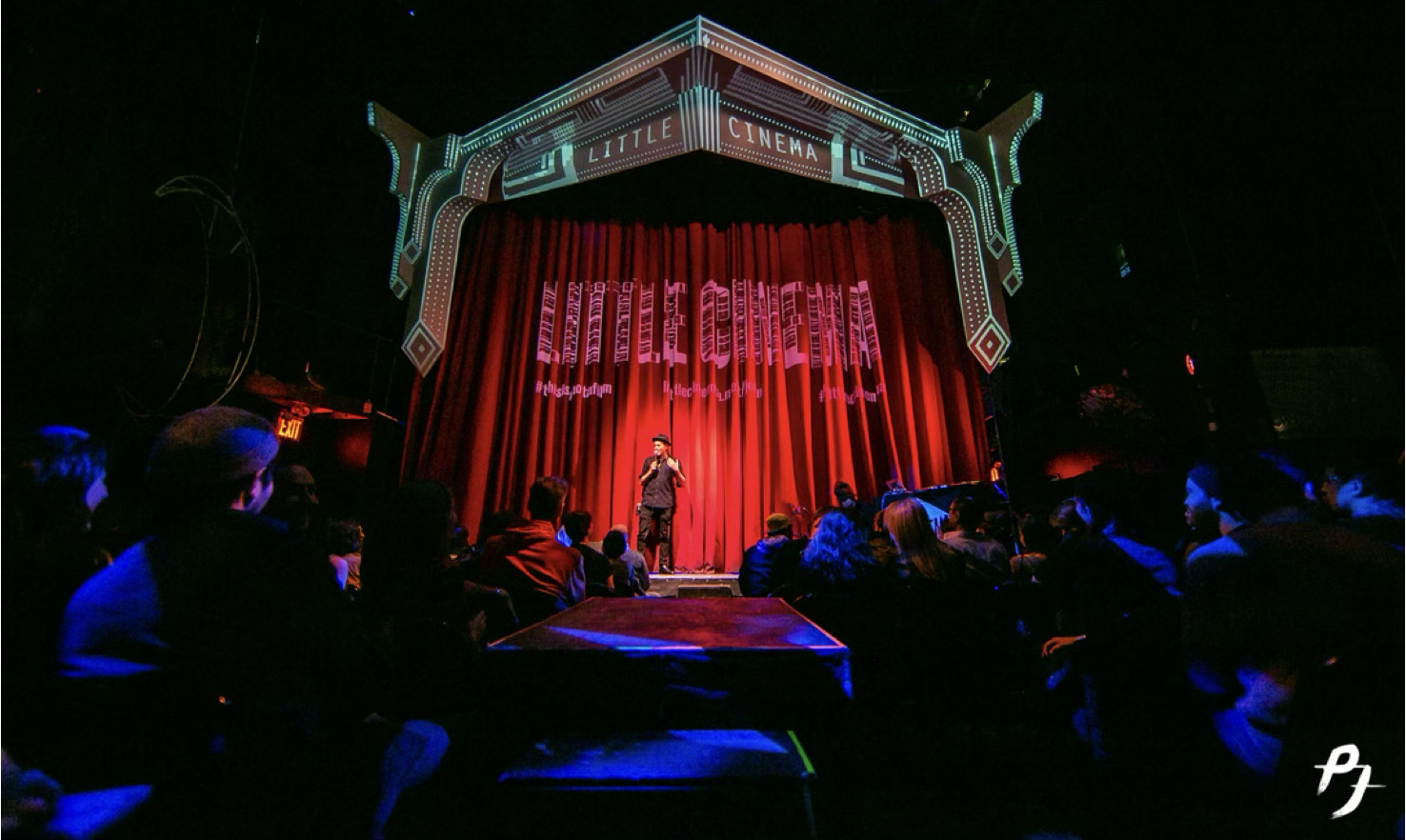
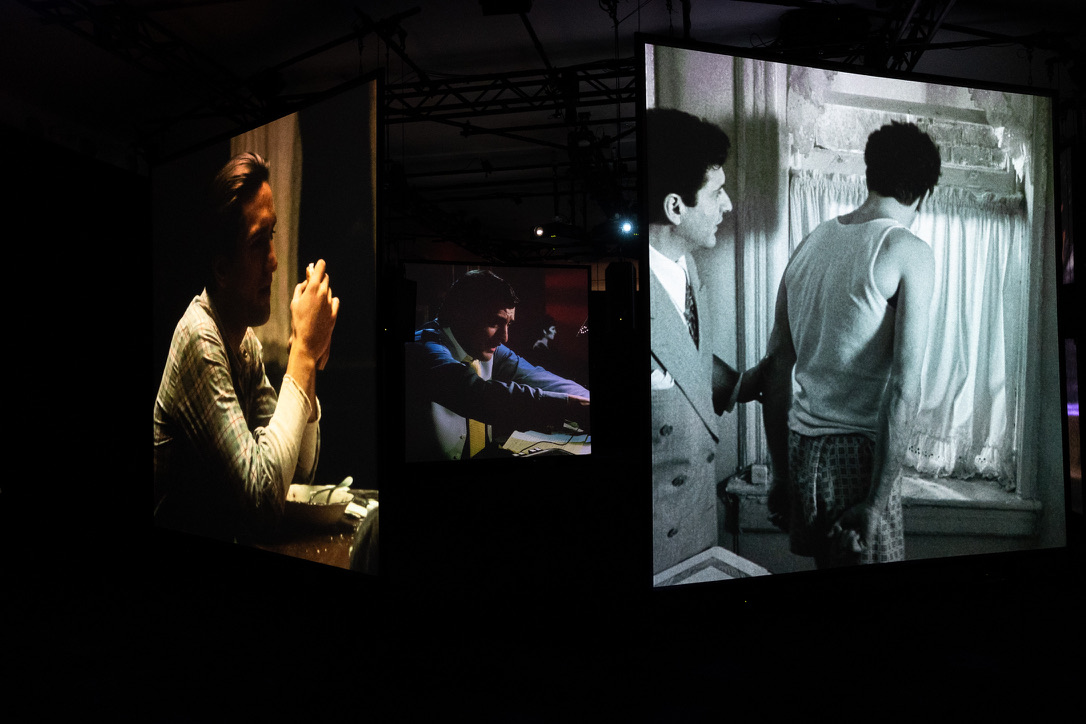
Rinsky’s central idea is simple but ambitious: don’t change the movie—change how people experience it. At Little Cinema, films became live events, surrounded by musicians, dancers, aerialists, projection, performance art, encouraging audience interaction. Over time, these productions grew from scrappy, $5,000 experiments into large-scale projects commissioned by festivals, museums, and major movie studios.
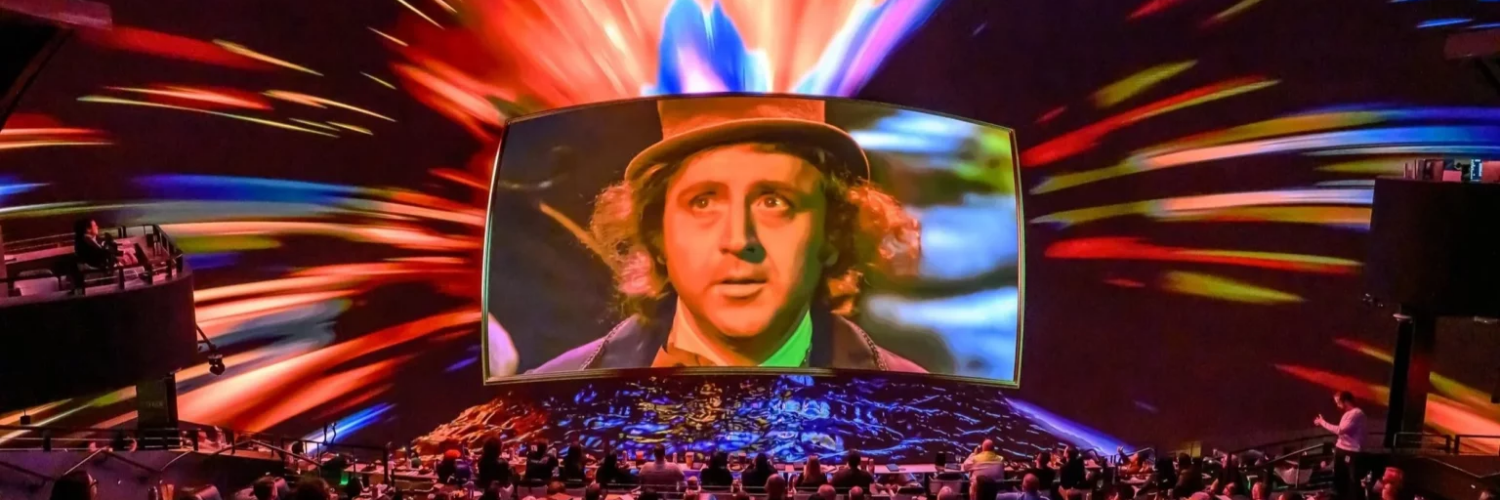
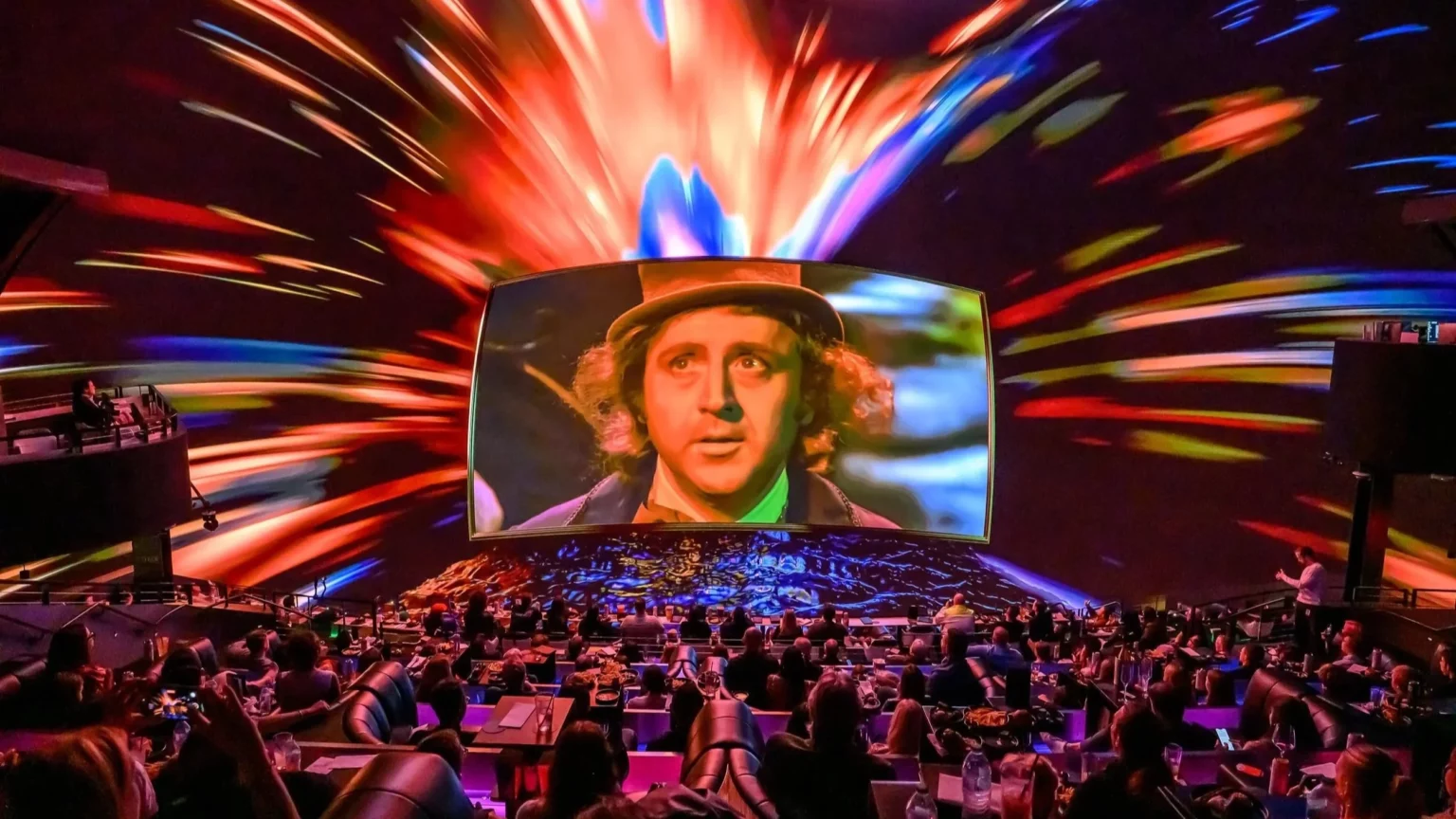
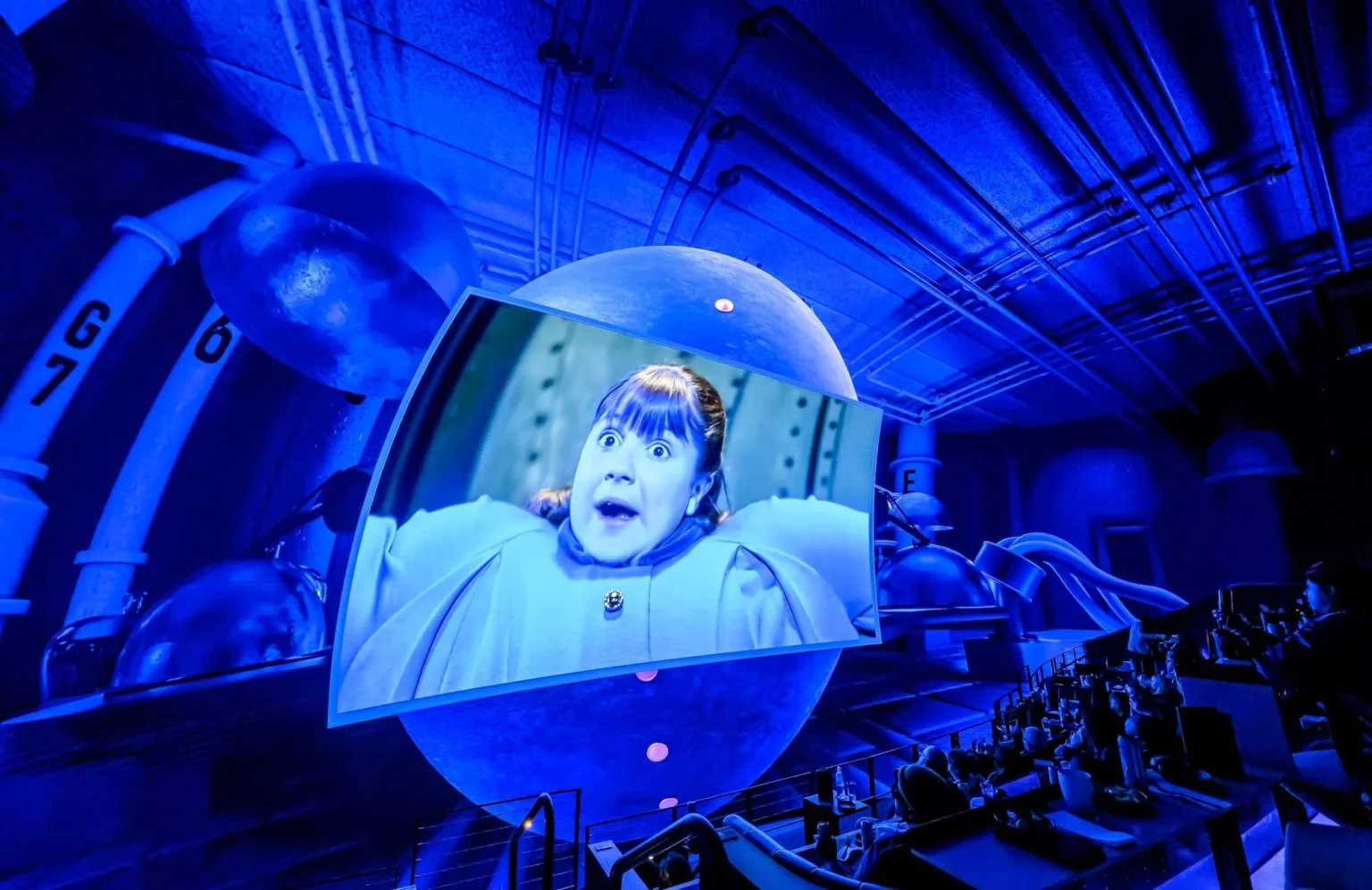
His work eventually led him into immersive LED environments and the dome technology used by Cosm. There, he began developing a new visual language for adapting conventional movies into a 360-degree environment. His team worked on shared-reality versions of films including The Matrix, Harry Potter, Willy Wonka, and It, experimenting with point of view, lighting, color, environmental effects, and spatial storytelling.
What distinguishes Rinsky’s approach is that he sees the original film as the “hero.” His job isn’t to compete with the filmmaker or turn a movie into a theme-park spectacle. Instead, he describes himself and his collaborators as the orchestra that supports the opera diva, namely that everything in the environment should heighten the emotion, atmosphere, and intent of the original work.
At a bigger-picture level, Rinsky is interested in where cinema goes next. He believes theaters need to offer audiences something they can’t reproduce on a couch with a streaming service. Immersive cinema, in his view, can become that kind of event: something communal, technologically spectacular, and physically impossible to experience at home.
His career also reflects a larger belief about cinema itself: technology has always changed the medium. Sound, color, widescreen, digital effects and IMAX each created new possibilities for filmmakers. Rinsky sees LED environments as the next step, and believes we’re still in the early stages of figuring out the storytelling language they will require.
Ultimately, Jay Rinsky is less interested in inventing a new way to watch movies than in finding new reasons for us all to gather together and feel them. His creative work posits what happens when a familiar film stops being something you simply watch and becomes something you physically inhabit.
Rinsky studied design and multimedia at Monash University in Melbourne, an education that helped shape this later work which has brought him to the intersection of technology, visual design, film and live performance.
Early Days
ArtsBeatLA: You were studying in Melbourne when you got into what would eventually become video DJing. What was happening there?
Jay: Around 2012, new technology allowed you to control video on turntables—to actually scratch the image. A little community of video movie remixers started popping up. We were taking films, cutting them up, remixing them and then performing them live.
ArtsBeatLA: So you were essentially turning video into music.
Jay: Exactly. I toured festivals in Australia and worked with jazz bands, orchestras and opera companies. We’d shoot footage of legendary jazz musicians and scratch those clips into the live performance. With orchestras, we composed music and video together. It was really a mash-up of music and video, but performed live.
For Jay Rinsky, House of Yes was pivotal. In 2016, one of its founders invited him to create a movie night. Rinsky transformed that basic idea into what became Little Cinema: films were screened while live performers, musicians, aerialists, dancers, visual artists, and other elements interacted with what was happening on screen. That House of Yes period essentially established the creative philosophy that has defined Rinsky’s career: take a familiar film and turn it into a live, communal experience without losing the movie itself.
From House of Yes to Little Cinema
Jay: The real turning point was House of Yes in Brooklyn. One of the founders asked me to start a movie night. My idea was to turn movies into live experiences and fuse as many disciplines as possible.
The first big show was a David Bowie tribute built around Labyrinth. Bowie had just died, and House of Yes had all these incredible performers, including circus artists, aerialists, musicians, dancers. We’d play the movie, interrupt it with live performances, remix the soundtrack and then go back into the film.
I woke up the next day thinking, “This is it. This is what I want to do.”
ArtsBeatLA: And you decided to do a new show every week?
Jay: Yes. We did about 50 different movies over a year and a half. The Big Lebowski, The Wizard of Oz, The NeverEnding Story, The Fifth Element, Yellow Submarine. We had aerialists, break dancers, spoken-word performers, animation, audience participation—you name it.
It was unhinged!
ArtsBeatLA: At first, this wasn’t really a business.
Jay: Not at all. I was self-funding everything out of my savings. I wasn’t making a cent, but I was having the best time of my life.
Then Forbes started writing about us. Bonnaroo hired us.
Bonnaroo Music and Arts Festival (usually just called Bonnaroo) is a large annual music and arts festival held in Manchester, Tennessee.
Jay: The Brooklyn Museum hired us to create immersive shows around exhibitions. Eventually the major movie studios started approaching us. They realized we were getting too big for the traditional licensing model, so their marketing departments began giving us the money and the rights to create events around their films.
We went from $5,000 productions to million-dollar productions.
ArtsBeatLA: What changed when you moved from live performance into immersive environments?
Jay: We started thinking about how you could extend a film beyond the screen without changing the film itself. That became really important to us.
With a project we did with (filmmaker) Darren Aronofsky, for example, we took tiny samples from the actual movie and built a visual environment around the audience. We were sampling the film rather than altering it.
That eventually led us to Cosm and the immersive LED dome.
The challenge of Cosm
ArtsBeatLA: What did you see when you first experienced that technology?
Jay: The potential was enormous. But we also realized we had a completely new problem: movies are made for rectangles. What do you do when the screen surrounds you? We started testing everything—virtual environments, camera perspective, lighting, color. With The Matrix, we experimented with changing the audience’s point of view so you could feel as though you were Neo.
We were essentially writing a new language for cinema.
ArtsBeatLA: What’s the central rule of that language?
Jay: The movie is the hero. I sometimes describe it as the movie being the diva and us being the orchestra. We’re there to enhance the performance, not compete with it. If you’re doing a horror film, for example, you don’t want spectacle right before a jump scare. You need darkness and silence. Everything has to follow the emotional intent of the filmmaker.
ArtsBeatLA: So you’re not trying to remake the movie.
Jay: Exactly. If I go see The Matrix, I want to see The Matrix. I want to experience it in a completely different way, but I don’t want someone removing my favorite scene or changing the movie. It’s similar to what Dolby does with sound. The movie stays the same, but the experience becomes more intense.
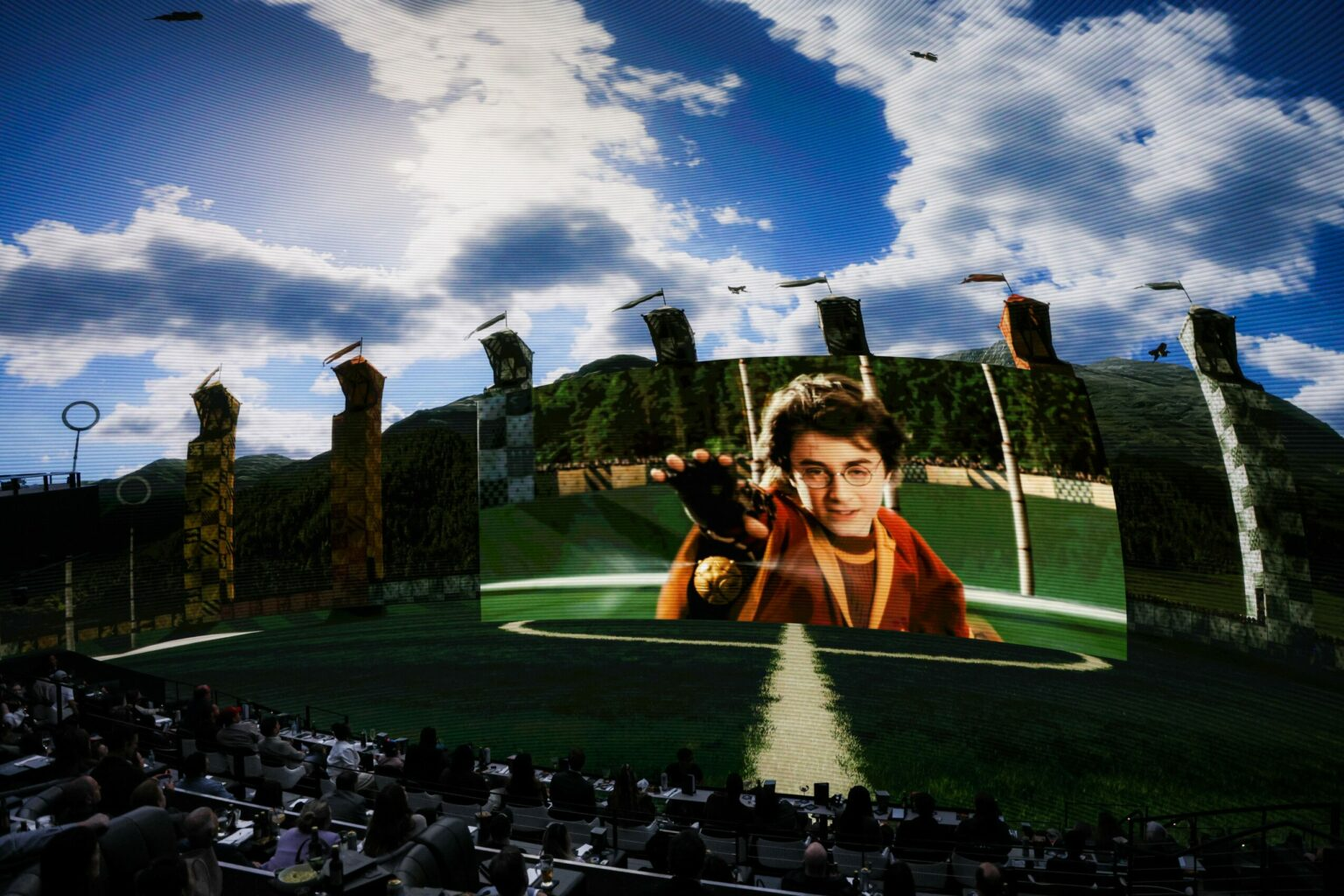
ArtsBeatLA: You’ve taken very different approaches with The Matrix, Harry Potter and Willy Wonka. Why?
Jay: Each film requires a different language. The Matrix was the most important creatively because we had to start from a blank piece of paper. There was no established playbook.
Harry Potter was almost the Holy Grail because the world is so fantastical. We could recreate those environments very closely and make the audience feel immersed in them.
Willy Wonka was different. Instead of literally recreating the sets, we treated it almost like Broadway scenic design. When they enter the chocolate factory, we created our own contemporary interpretation using lighting, animation and pop-art elements.
It became a conversation with the film rather than a literal recreation.
ArtsBeatLA: What does a dome setting make possible that traditional cinema can’t?
Jay: Presence. We’re surrounded by screens now, so screens themselves don’t feel magical anymore. But a full immersive LED dome can make you feel like you’re inside an environment. That’s the technological foundation of a new form of entertainment.
ArtsBeatLA: Do you think audiences will pay premium prices for it?
Jay: I think it’s becoming an experience rather than simply a movie ticket. Traditional movies are relatively cheap entertainment. You sit in an air-conditioned room and watch a movie. Something like an immersive experience is different. You’re paying for something special.
The future of cinema
Jay: I think cinemas have been in a crisis for years. They need to redefine why people should leave home to see something they could otherwise watch at home. Everyone is constantly scrolling TikTok and consuming short-form content. But cinema can be an antidote to that. You’re forced to put your phone away and watch something.
And cinema is communal. Nothing replaces the shared reaction of an audience. If you watch a comedy alone, you might think it’s mildly funny. Watch it in a room full of people laughing and you’ll probably enjoy it more. We’re human. We experience things collectively.
ArtsBeatLA: How do you explain the relationship between technology and cinema?
Jay: Technology became part of the experience. You can trace that through cinema history—sound, color, widescreen, digital effects, IMAX. Every technological leap changes what cinema can be. We’re just at another one of those moments.
ArtsBeatLA: Do you think this style of cinema could become widespread?
Jay: I think so. I could see hundreds of these venues emerging over the next five to ten years. The interesting thing is that these experiences are incredibly shareable. You can’t really film a traditional movie in a cinema and make it look spectacular on your phone. But an LED dome looks amazing when someone films it. I’ve seen clips from these experiences spread enormously on social media.
ArtsBeatLA: Would you like to see this technology in existing movie theaters rather than only purpose-built venues?
Jay: Absolutely. There are thousands of existing theaters. If every multiplex had one premium immersive room, that could be really interesting. The other big advantage is scalability. What we did at House of Yes required performers, operators, sets, lighting—every performance was essentially a new production. With this technology, you make the experience once and then it can play repeatedly in Atlanta, Dallas or wherever the venues are. That’s a fundamental change.
ArtsBeatLA: And eventually we’ll see movies made specifically for these environments?
Jay: Absolutely. But that’s going to take time. Filmmakers have had 100 years of experience telling stories inside a rectangle. Now we’re talking about a 12K, full-dome environment. What does a close-up mean when the image surrounds you? What does camera movement mean? There are a lot of filmmaking decisions that haven’t been solved yet. As more domes open, filmmakers will start developing a language specifically for the format.
ArtsBeatLA: So where do you think all of this leaves cinema?
Jay: I think we’re at the beginning of something. Cinema has always evolved through technology. The goal isn’t to replace the movie. The movie is still the hero. The goal is to make people feel it more intensely—and to give them a reason to come together in a room and experience it collectively.
That’s what I’m interested in.