 Pauline Adamek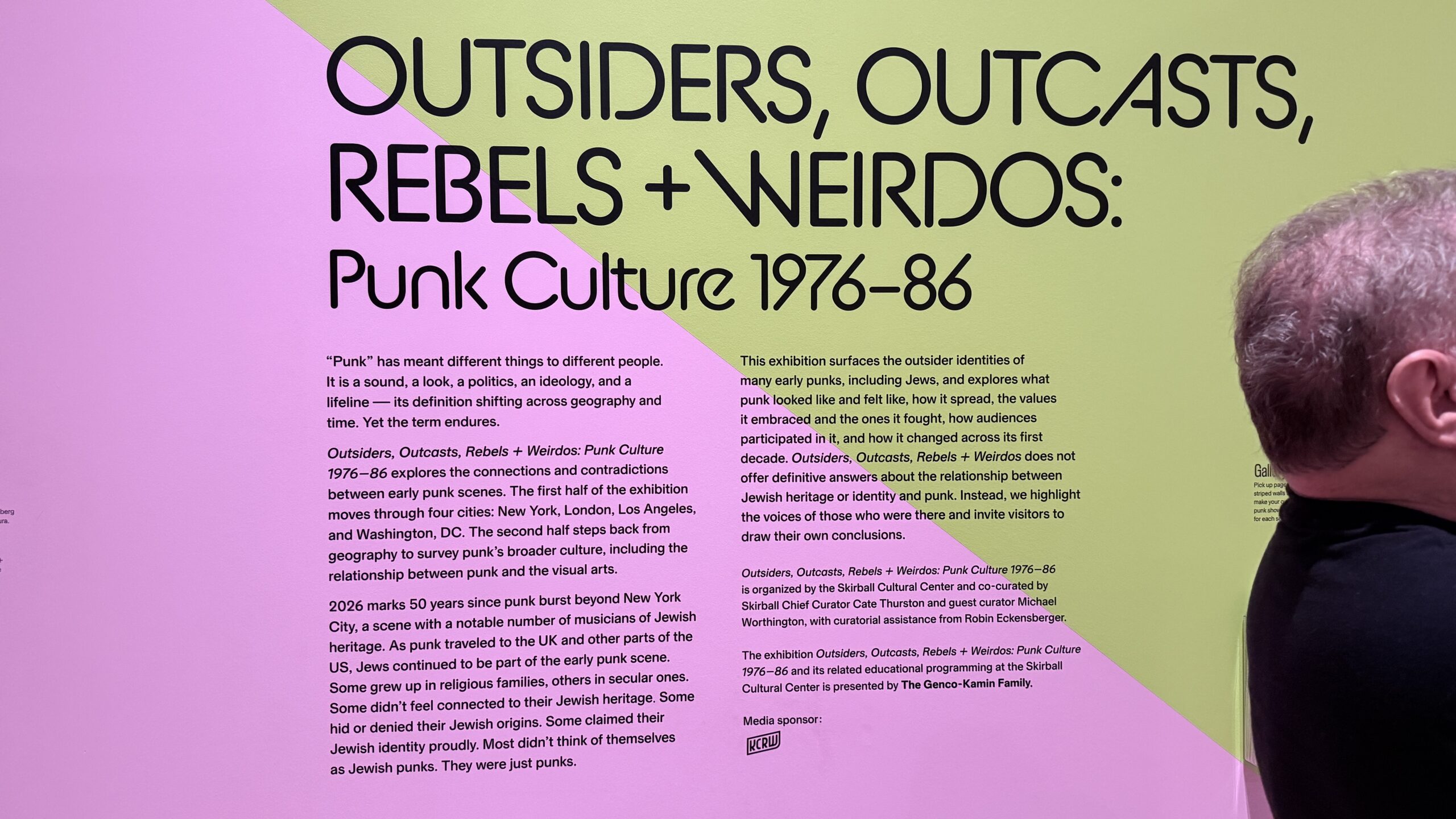
The Skirball’s three new spring exhibitions arrive not as a neatly unified curatorial statement, but as something far more compelling: a meditation on the many ways culture is made, inherited, challenged, and renewed. Spanning punk music, comic-book history, and contemporary explorations of ritual and memory, the season resists easy categorization. Instead, it embraces contradiction, complexity, and the restless energy of cultural self-definition.
Inventing America: The Comic Book Revolution;
Outsiders, Outcasts, Rebels + Weirdos: Punk Culture 1976–86;
and Robert Russell and Lisa Edelstein: A Palace in Time.
Opening the exhibition program, Skirball CEO Jesse Kornberg framed the exhibitions through a distinctly human lens. Reflecting on the institution’s role as a Jewish cultural centre, Kornberg invoked the phrase traditionally displayed at the entrance to Jewish houses of worship: “Know before whom you stand.” The sentiment is not so much a ceremonial welcome as an invitation to consider the responsibility shared by artists, curators, journalists, and audiences alike — to interpret the world around us with attentiveness and care.
That emphasis on interpretation threads powerfully through the exhibitions themselves. Speaking directly to members of the press, Kornberg praised the work of journalists “who help interpret and offer understanding and context for the most important information emerging in the world at any given moment.” It is difficult not to see the exhibitions operating with the same ambition: each seeks not simply to display objects, but to contextualize lived experience and invite deeper curiosity.
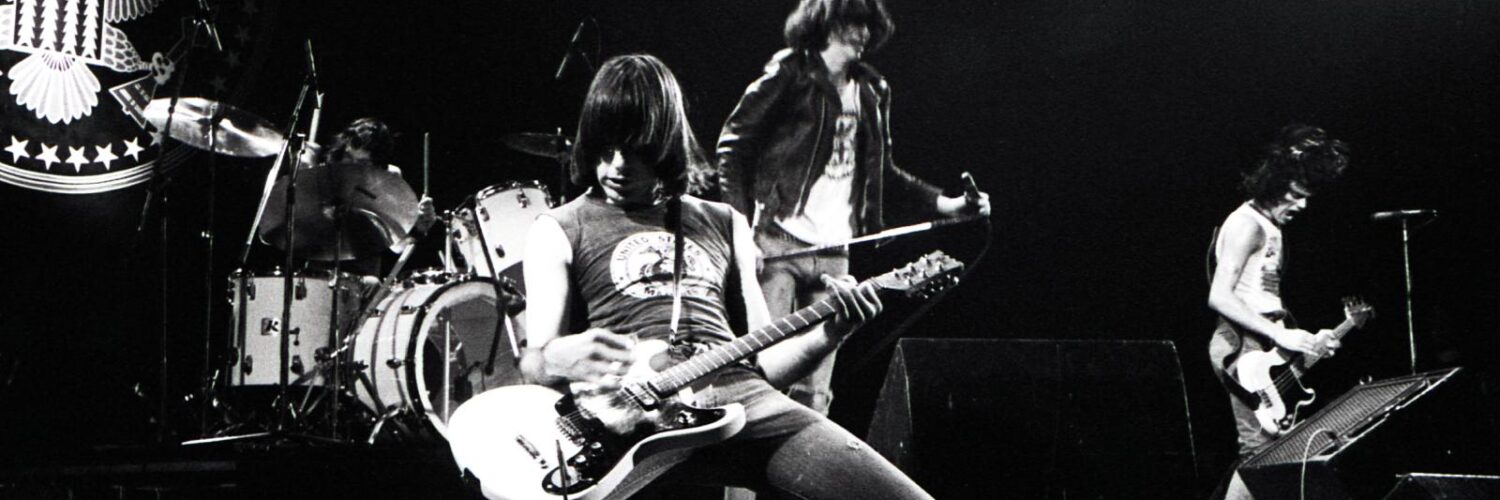
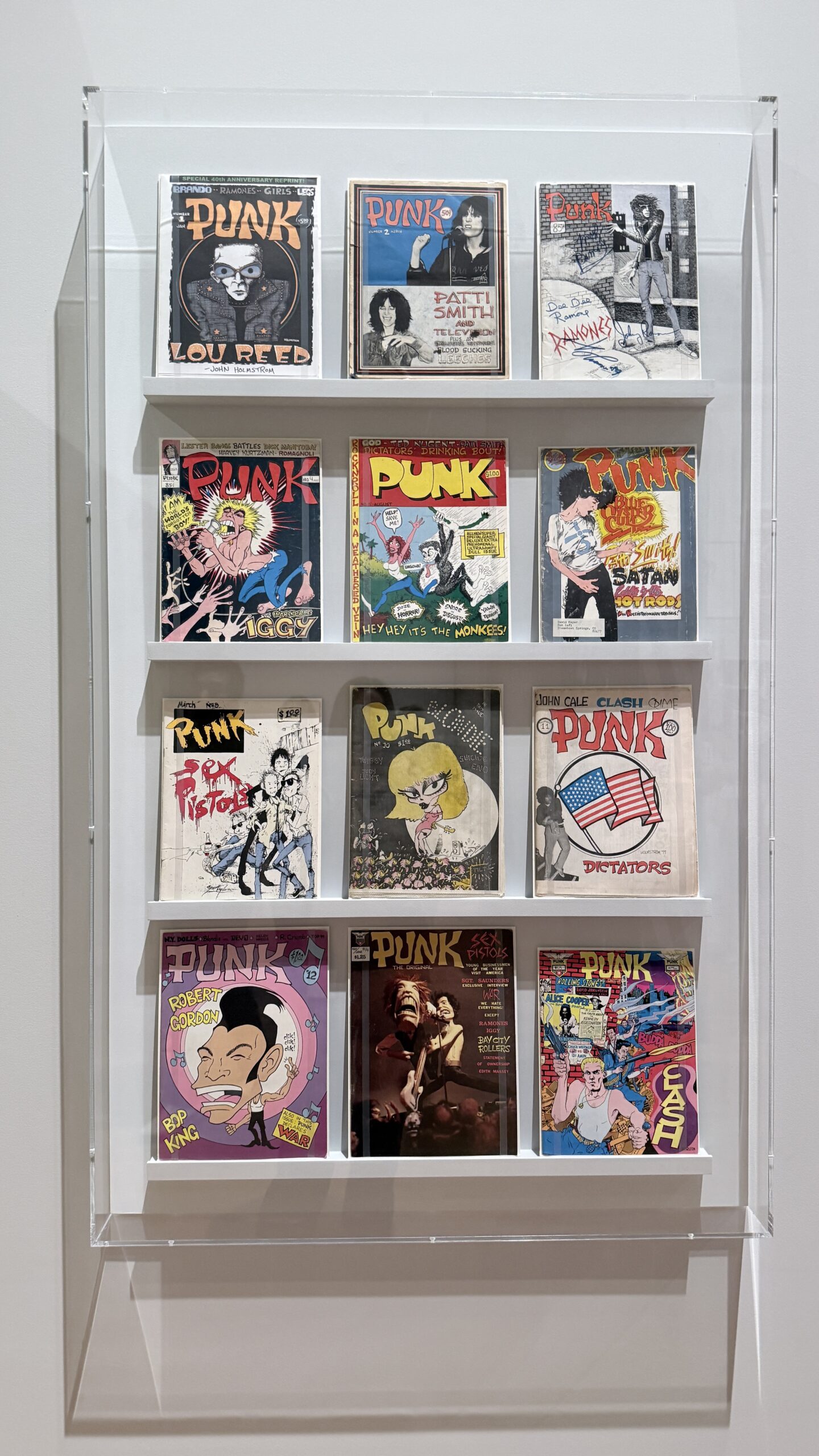
The Punk exhibition pulses with the raw immediacy of cultural rebellion. Here, identity is constructed through DIY expression — ‘zines, flyers, music, posters, and late nights in cramped clubs become artifacts of resistance and belonging. Rather than presenting punk as nostalgia, the exhibition captures it as a living act of self-definition, born from an urgent need to respond to the world.
Elsewhere, the comics exhibition traces how generations of immigrant and underrepresented creators helped shape American identity through popular visual culture. What emerges is not merely a history of comic art, but a portrait of America continually being rewritten through the imaginations of those often excluded from dominant narratives. The exhibition deftly positions comics as both entertainment and nation-building mythology.
The emotional centre of the season, however, may be A Palace in Time, where contemporary artists explore Jewish ritual, memory, and family life with striking intimacy. The work resists spectacle in favor of emotional honesty, asking how traditions endure through ordinary gestures, domestic spaces, and inherited histories. As Kornberg observed, these artists choose “not to doomscroll, not to dwell, not to turn inward, but instead to digest, interpret, and let out the most free, authentic, raw version of themselves.” The result is an exhibition that feels deeply personal while speaking to broader questions of belonging and continuity.
Presented during Jewish American Heritage Month, the Skirball’s spring program succeeds precisely because it avoids offering a singular definition of Jewish American culture. Instead, it presents multiple, sometimes conflicting perspectives held in productive tension. As Kornberg noted, “nothing is simple, everything complicated, everything is worthy of one more closer look.” That openness to complexity becomes the season’s greatest strength.
Together, the exhibitions argue that culture is never static. It is created collectively — through art, protest, storytelling, ritual, memory, and conversation. More importantly, the Skirball suggests that culture remains alive only so long as we continue to question, reinterpret, and participate in it ourselves.
EXHIBITION
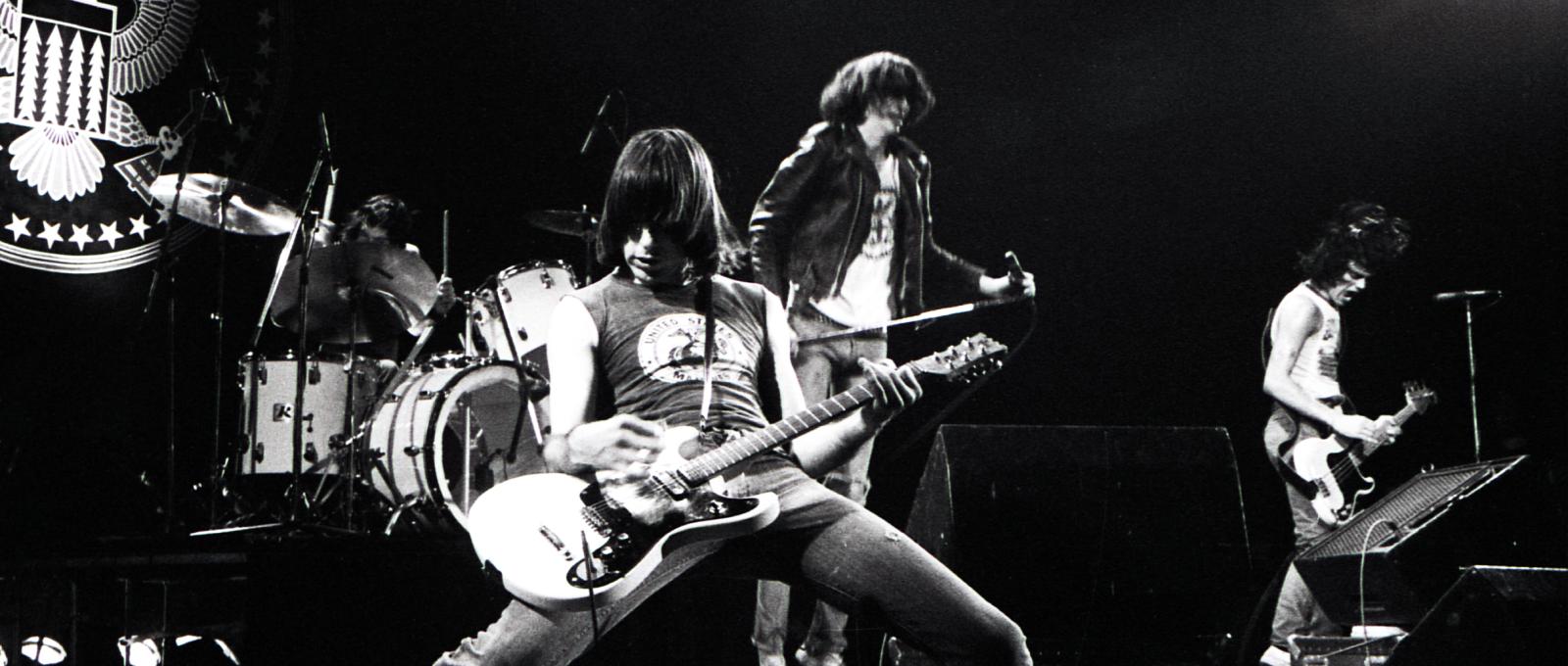
Outsiders, Outcasts, Rebels + Weirdos: Punk Culture
1976–86
Opens May 20 | FREE to Members, Children under 2, and to all on Thursdays
Opening in spring 2026 to mark the 50th anniversary of punk in the United States, this original exhibition celebrates how a generation of misfits—including Jewish punks— challenged the rules.
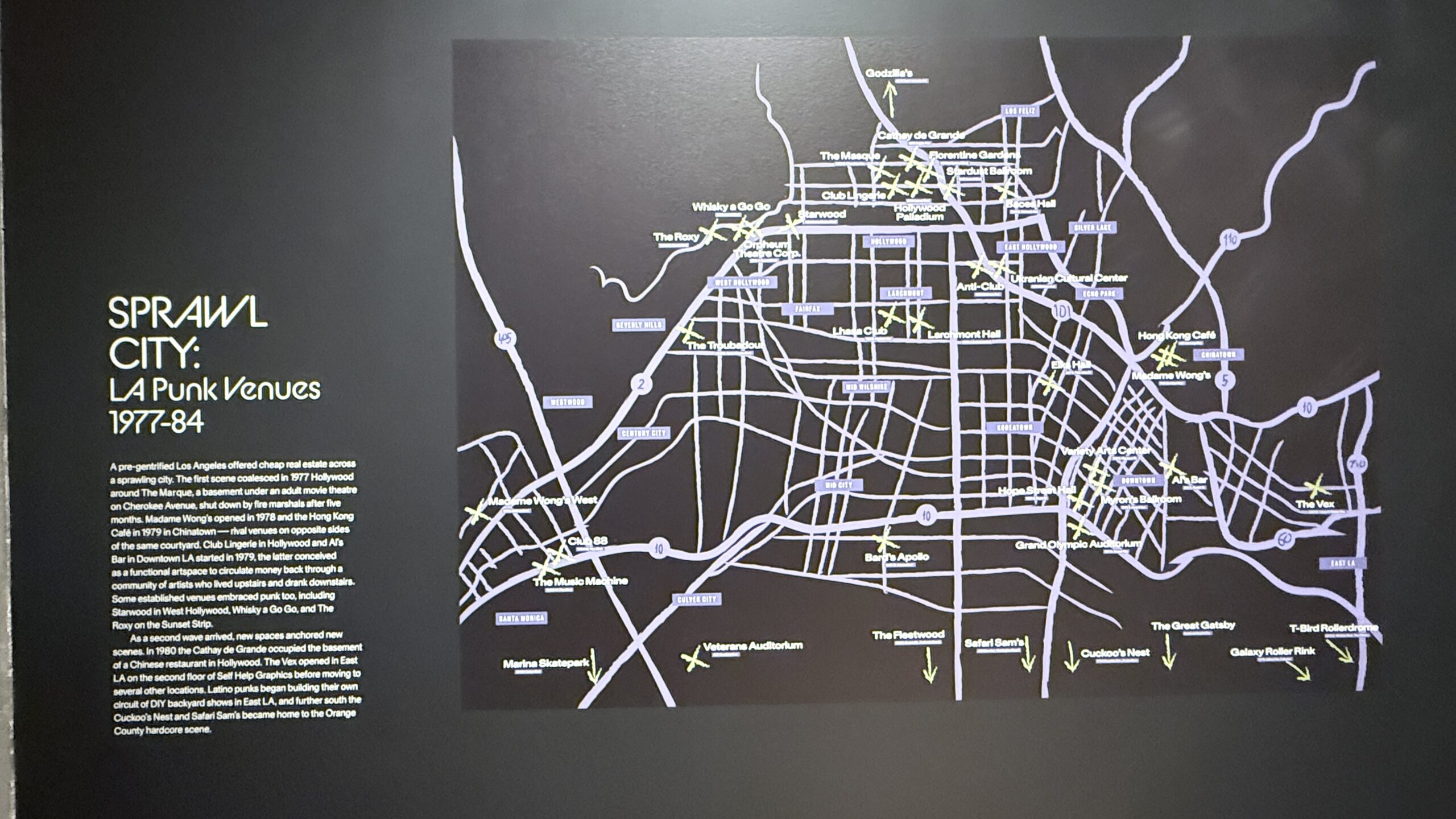
This exhibition traces the connective tissue of punk across key scenes in the United States and the United Kingdom, with a focus on New York, London, Los Angeles, and Washington, DC. Opening in spring 2026 to mark the 50th anniversary of punk in the United States,* this original exhibition celebrates how a generation of misfits—including Jewish punks—challenged the rules, reimagined community, and helped reshape culture from the margins.
About the Exhibition:
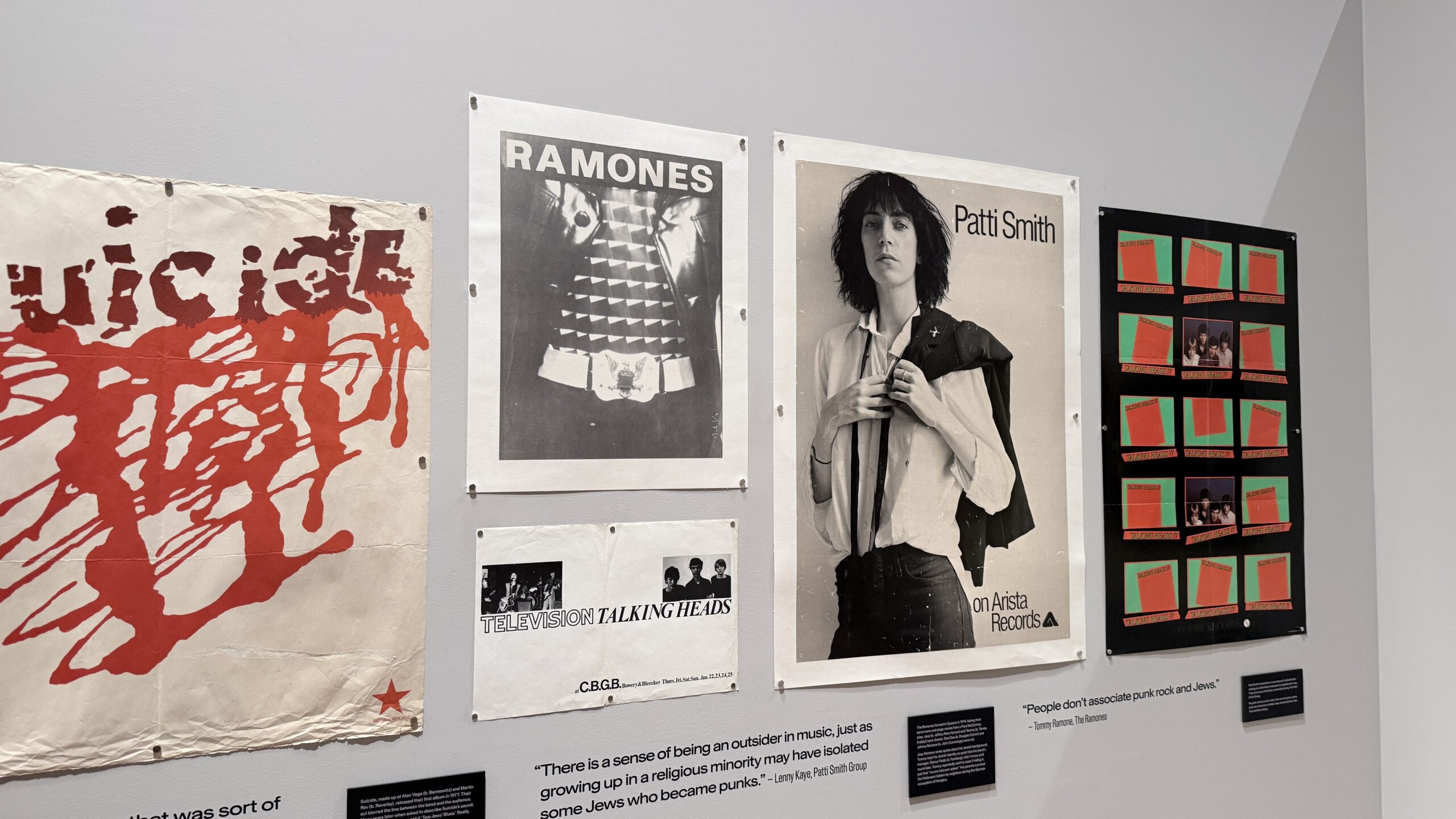
Punk has meant different things to different people. It is a sound, a look, an ideology, and a lifeline—its definition shifting with geography and time. Yet the term endures. Outsiders, Outcasts, Rebels + Weirdos: Punk Culture 1976–86 explores the connective tissue of “punk” by tracing key music scenes across the United States and the United Kingdom, with a focus on New York, London, Los Angeles and Washington D.C. Opening at the Skirball Cultural Center in spring 2026 in conjunction with the 50th anniversary of punk in the United States,* this original exhibition takes visitors on a journey through the history of punk, where outsiders rewired the culture.
This exhibition also explores the often-overlooked relationship between Jewish musicians and the punk scene, particularly in New York. It asks: What role did Jewish punk musicians play? Did that connection matter? How did it become complicated? And why has the Jewish presence in punk so often been overlooked or dismissed? Outsiders, Outcasts, Rebels + Weirdos does not offer definitive answers. Instead, we foreground the voices of those who lived it and invite visitors to question, reflect, and draw their own conclusions.
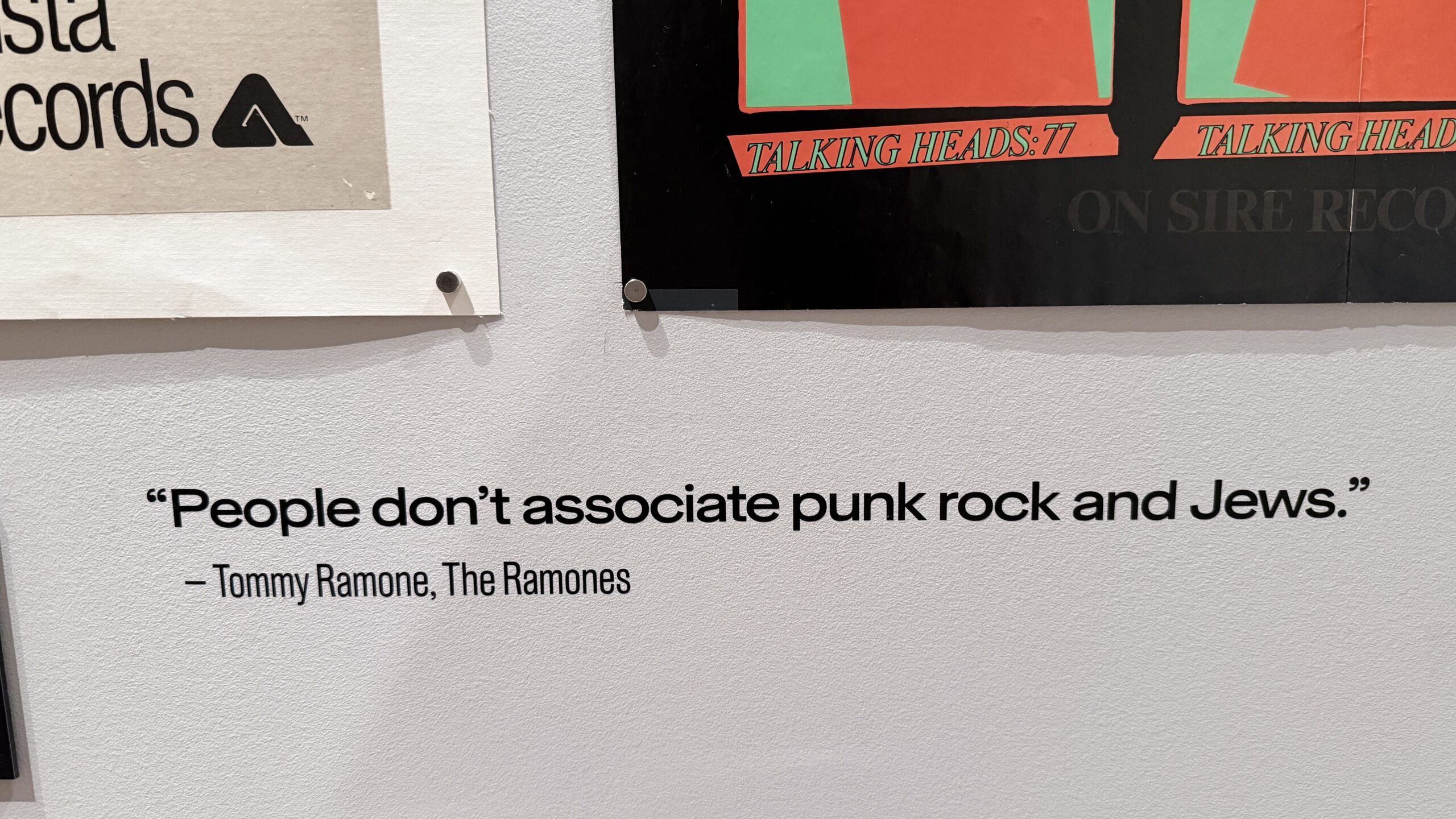
The exhibition will highlight the stories of Jewish punks and fellow travelers including Malcolm McLaren, plus members of the Ramones, the Circle Jerks, the Dictators, Bad Religion, Blondie, Suicide, Jonathan Richman, the Patti Smith Group, and more. By centering these narratives within the broader story of punk, the exhibition underscores how artists from many communities helped shape a movement that continues to challenge norms around identity, power, and belonging.
Featuring more than 500 objects and pieces of ephemera, Outsiders, Outcasts, Rebels + Weirdos brings this history into sharp focus—from handmade flyers, zines, buttons, and posters to early clothing by fashion designers Vivienne Westwood and Malcolm McLaren. These iconic garments, alongside photographs, video, film, and other artifacts, anchor visitors in the visual and material world of punk while opening space for lesser-known stories. This exhibition is more than a celebration of a music scene. It is a deep dive into how a generation of misfits challenged the rules, reimagined community, and helped reshape culture from the margins.
*Like all things punk, even the anniversary is contested.
Tours (starting June 4, 2026)
Join a docent-led public tour of this exhibition!
Tuesday–Sunday, 2:00 pmDocent-led private tours are offered on select days and times. To book a private tour, email groupvisits@skirball.org or call (310) 440-4534 for more information.
Note: Public Tours are subject to cancellation.
Curatorial Acknowledgments:
This exhibition was co-curated by Skirball Chief Curator Cate Thurston and guest curator Michael Worthington.
Admission
$20 General
$15 Seniors, Full-Time Students with ID, and Children 2–17
FREE to Members and Children under 2
FREE to all on Thursdays
General Admission tickets provide visitors access to all exhibitions on view at the Skirball, as well as our new Bloom Garden and other family-friendly activities. Visitors who would like to board Noah’s Ark, which requires timed entry, should purchase a separate Noah’s Ark ticket (which also includes general admission access).
EXHIBITION
Inventing America: The Comic Book Revolution
Opens May 20 | FREE to Members, Children under 2, and to all on Thursdays
Explore the United States in the twentieth century through the lens of the American art form: the comic book. Inventing America: The Comic Book Revolution examines how this art form became a revolutionary cultural medium.
Explore the United States in the twentieth century through the lens of the American art form: the comic book. Inventing America: The Comic Book Revolution examines how this art form became a revolutionary cultural medium, shaping national identity through distinctive stories and characters. Featuring original artwork and rare artifacts, the exhibition connects comic storytelling to defining national experiences: World War II, the social upheavals of the 1960s, the cultural impact of pop art and hip-hop, and ongoing movements for justice and equality.
Superhero Sketching
June 18–August 22, 2026
Thursdays, Fridays, and SaturdaysObserve live comic sketching and create a comic character of your own!
Thu/Fri: 12:00–4:00 pm
Sat: 10:00 am–4:00 pmIncluded with general admission tickets.
About the Exhibition:
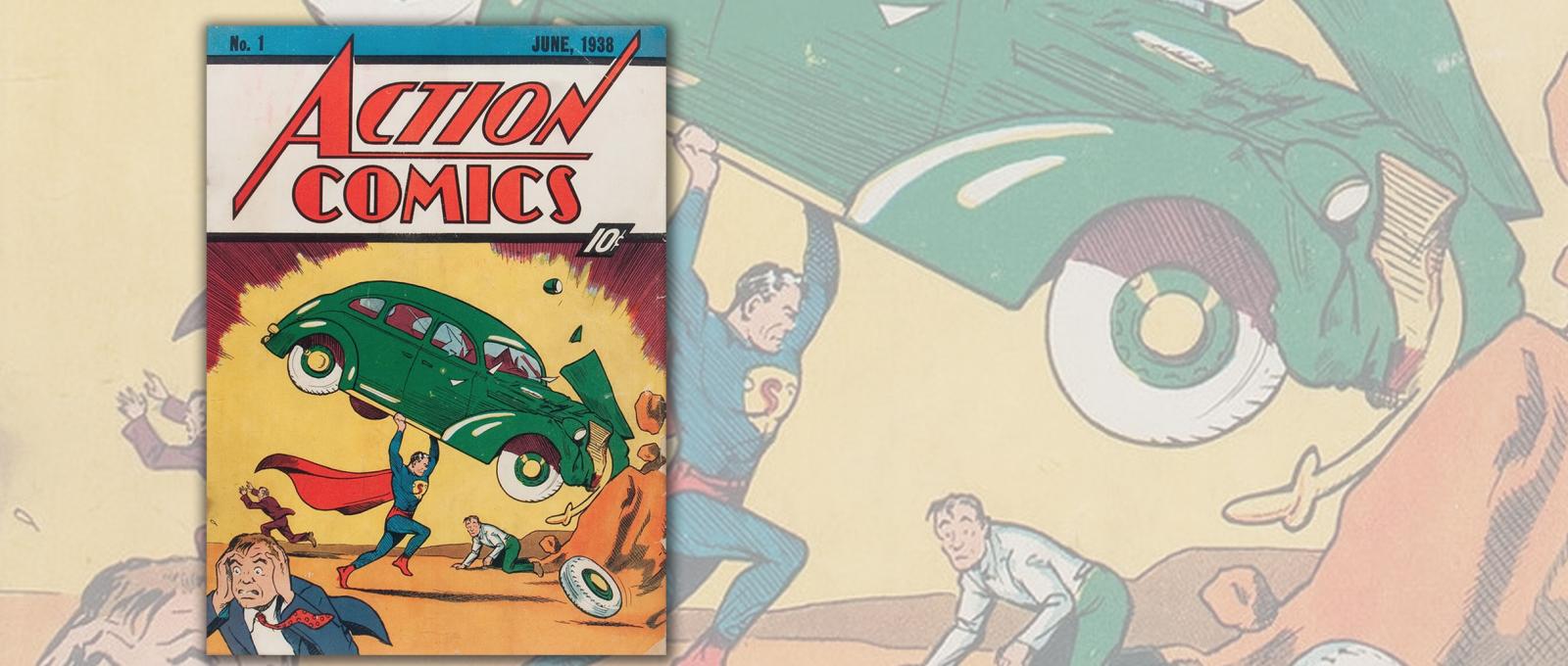
During the twentieth century, American comic books evolved from modest beginnings into one of the most influential forms of popular entertainment. Inventing America: The Comic Book Revolution examines how this art form became a revolutionary cultural medium that helped shape national identity through distinctive stories and characters.
At its core are visionary creators. Many of them were immigrants and outsiders who brought the perspectives of marginalized communities, including Jewish Americans, into the medium. Drawing on their experiences, they helped construct a vision of America defined by struggle, aspiration, and reinvention. The exhibition traces this evolution from the Great Depression through the dawn of the new millennium.
Inventing America highlights how comics reflected—and at times anticipated—an increasingly complex and inclusive society. Visitors encounter iconic figures of American popular culture, including Superman, Captain America, Wonder Woman, Spider-Man, Little Lulu, Archie, Black Panther, and the Teenage Mutant Ninja Turtles. Each emerged from pivotal historical moments, capturing the anxieties, ideals, and imagination of their era.
Featuring original artwork and rare artifacts, the exhibition connects comic storytelling to defining national experiences: World War II, the social upheavals of the 1960s, the cultural impact of pop art and hip-hop, and ongoing movements for justice and equality. Together, these materials reveal comics as both entertainment and historical record—vivid, inventive, and deeply reflective of the American experience.
Tours (starting June 4, 2026)
Join a docent-led public tour of this exhibition!
Tuesday–Friday, 1:00 pm
Saturday–Sunday, 11:00 am and 1:00 pmDocent-led private tours are offered on select days and times. To book a private tour, email groupvisits@skirball.org or call (310) 440-4534 for more information.
Note: Public Tours are subject to cancellation.
Curatorial Acknowledgments:
This exhibition is organized by the Skirball Cultural Center and co-curated by guest curator Patrick A. Reed and Skirball Museum Deputy Director Michele Urton.
Robert Russell and Lisa Edelstein: A Palace in Time
Opens May 20 | FREE to Members, Children under 2, and to all on Thursdays
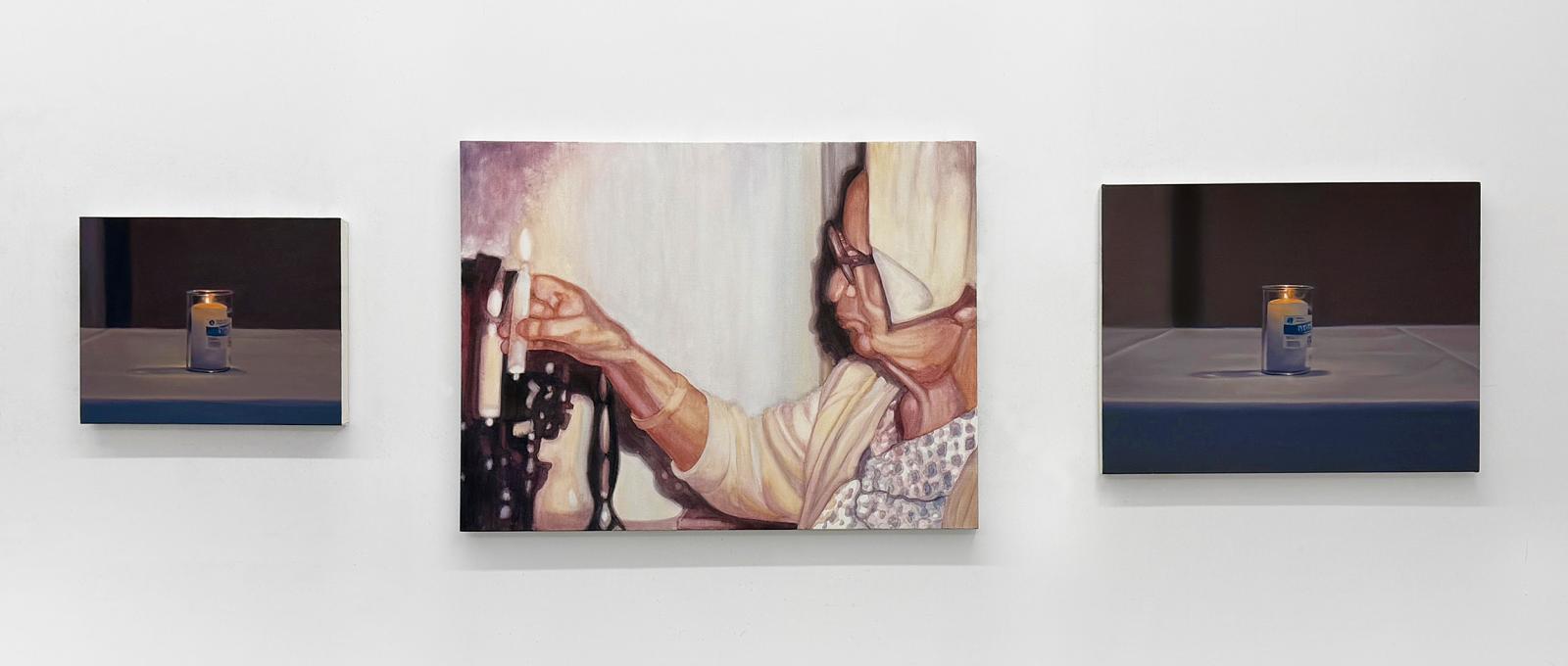
Enter an intimate and moving portrait of Jewish life through the ritual of the Sabbath, via new paintings by Robert Russell and Lisa Edelstein. These two Los Angeles-based artists and partners in life have created an exhibition that reflects on how memory lives within us all, through the objects we hold dear, the stories we inherit, and the rituals that shape our days.
About the Exhibition:
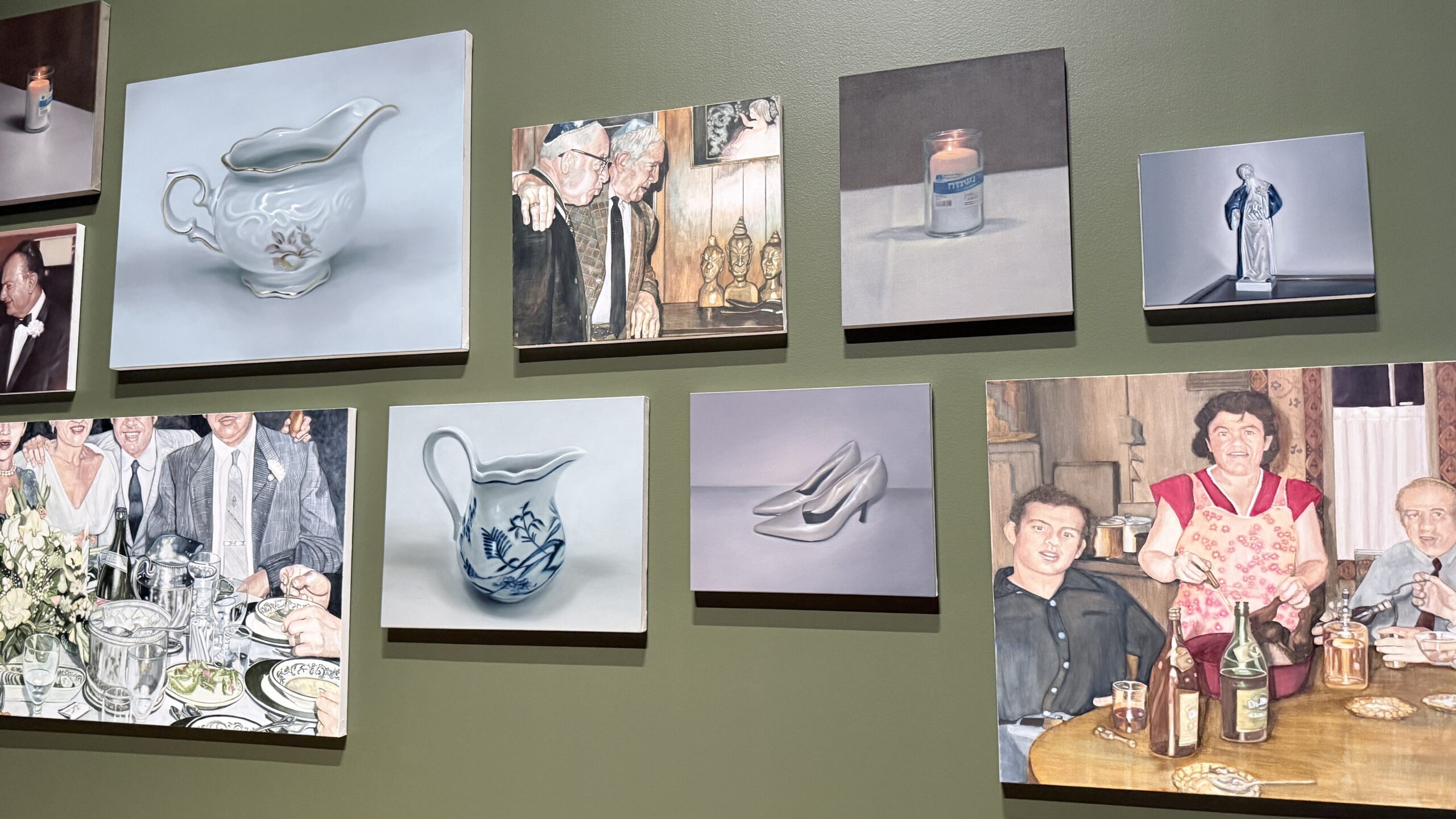
Robert Russell and Lisa Edelstein: A Palace in Time invites visitors to reflect on how they spend their time–in the moments when they are celebrating, grieving, and all the small moments in between. Drawing inspiration from Rabbi Abraham Joshua Heschel’s description of the Sabbath as “a palace in time,” this exhibition brings together new paintings by Los Angeles-based artists and married partners Russell and Edelstein that hold up moments and memories of joy and loss–ever-present in Jewish family traditions and community gatherings.Robert Russell’s luminous still lifes portray Jewish ritual objects—Kiddush cups and yahrzeit candles—removed from their context and histories. Painted in his signature soft-focus style, the works shimmer with beauty while resonating with absence. They prompt reflection on what is remembered, what is lost, and how cultural traditions endures.In dialogue, Lisa Edelstein presents paintings inspired by her own family photographs, capturing scenes of Jewish domestic life in 1970s suburban New Jersey. Her portraits of multigenerational gatherings, richly patterned interiors, and fleeting moments of affection evoke a tender meditation on diaspora, belonging, and the small rituals that shape identity. Together, Russell and Edelstein offer a moving portrait of Jewish life—private and communal, sacred and ordinary, past and present—that is transformed through the act of witness, reflection, and celebration. The exhibition becomes a contemporary “palace in time” where memory, ritual, and intimacy coexist.
Merchandise:
Shop for exhibition-related merchandise in person at Audrey’s Museum Store or online here.
Curatorial Acknowledgments:
About the Artists:
Robert Russell (b. 1971, Kansas City, MO) is a conceptual painter whose work returns to ideas of memory, iconography, and mortality in a personal painting language that treats ordinary objects—cups, books, figurines, candles— as vessels of history and ritual. Working in a subdued palette and precise contemplative approach, he explores how images can be sanctified by attention: how repetition, gesture, and witness can transform the mass-produced form into a site of devotion. Russell completed his MFA at the California Institute of the Arts, Valencia, CA and his BFA from the Rhode Island School of Design, Providence, RI. He has had solo exhibitions at galleries including Miles McEnery Gallery, New York, NY; Anat Ebgi, Los Angeles; The Cabin, Los Angeles; Burrard Arts Foundation, Vancouver, B.C., Canada; LAXART (currently The Brick), Los Angeles; François Ghebaly, Los Angeles; Big Pond Artworks, Munich, Germany; and OSMOS Station, Stamford, NY. His work has been exhibited in group shows including Roberts Projects, Los Angeles; MATERIAL Press MOCA LA, Los Angeles; M+B, Los Angeles; Honor Fraser Gallery, Los Angeles; Vielmetter Los Angeles; and GAVLAK, Palm Beach, FL. Russell lives and works in Los Angeles.
Photo by Chad Unger.
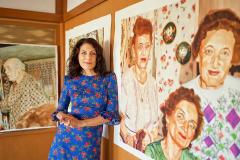
Lisa Edelstein (b. 1966, Boston, MA) mines images inspired by her own Jewish family history, transforming discarded snap shots into colorful paintings of a fading past. Largely unposed and caught off-guard, Edelstein’s compositions connect her interest in storytelling across various avenues of her artistic practice—painting, writing, and acting. Her intimate works are filled with tenderness as they transport the viewer to a different time and the jumble of personalities and physical spaces that bring a family to life. Through the lens of both the female and Jewish gaze, the artist draws you in, welcoming you into her family while also holding a mirror up to your own. Edelstein studied experimental theatre at New York University’s Tisch School of the Arts before leaving to work as an actress, writer, and filmmaker, eventually expanding her practice to painting. Her work has been exhibited at Charlie James Gallery, Los Angeles; Anat Ebgi, Los Angeles; A Hug From the Art World, New York; SFA Projects, New York; GAVLAK, New York and Palm Beach, FL; and VSG Contemporary, Chicago. Her work is included in the permanent collection of the Los Angeles County Museum of Art. Edelstein lives and works in Los Angeles and is represented by Charlie James Gallery, Los Angeles.
Photo by Holland Clement.
Donor Support:
The exhibition Robert Russell and Lisa Edelstein: A Palace In Time and its related educational programs at the Skirball Cultural Center are made possible by Presenting Donor: The Ruby Family.

 Terry Morgan